Auszeichnung
künstlerischer Projekträume
und -initiativen

Spor Klübü

2003
Freienwalder Straße
31
Berlin
13359

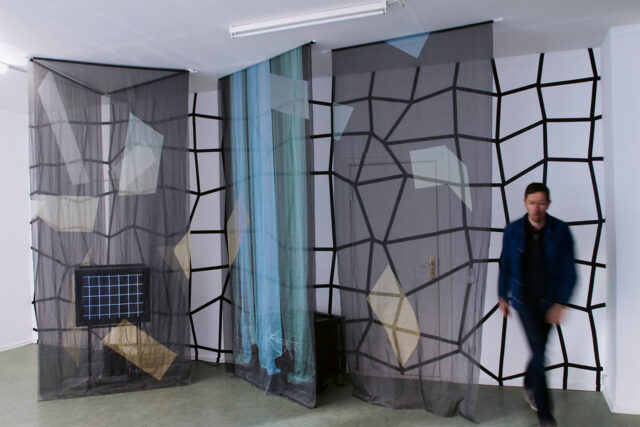
Michelle Atherton, Jette Gejl, TV MCCormack, It doesn’t have a Shape, it has a Shadow, 2019, Foto: M. Mayer
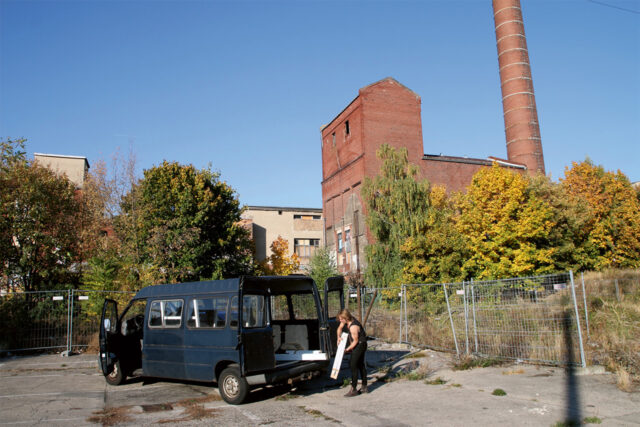
TRANSIT-series#1, Johannes Bünemann, Karthamazän, 2018, Foto: Matthias Mayer

Mangelnde Vernetzung führt zu unnötigen Konkurrenzsituationen im Kampf um Aufmerksamkeit und Fördertöpfe. Der ideale Projektraum ist/war eine Win-win-Situation für Betreiber*innen und Künstler*innen. Beide können neue Experimente starten und neue Modelle ausprobieren unter fairen finanziellen Bedingungen, sprich mit Honorar und Projektfinanzierung/Sponsoren. Projekträume haben sich auch durch Verdrängung und höhere Mieten in entlegene Kieze und Bezirke verlagert/verlagern müssen. Wir alle sind Teil eines „idealen“ Projektraums, zusammen sind wir höchst heterogen, divers und das größte zusammenhängende Ausstellungshaus in Berlin. In Berlin hat sich in den letzten zehn Jahren das Verhältnis zu Raum als einer grundlegenden Basis für unser Zusammen­leben dramatisch verändert − und zwar aus der Perspektive der künst­lerischen Nutzung eindeutig zum Schlechten. Der Profitwahnsinn hat die Stadt seit der Finanzkrise zunehmend erfasst; sowohl ­global agierende Finanz- und Immobilienhaie als auch viele mittlere und kleine Geldanleger haben Berlin und seine umbauten Räume als handelbare Ware auserkoren mit der Folge, dass die Preise dafür explodiert sind. Die Politik unternimmt dagegen ­leider nichts wirklich Effektives und scheint daran kaum Anstoß zu ­nehmen. Darunter leiden in erster Linie die sozial Schwächeren und nicht zuletzt die meisten Kunst- und Kulturschaffenden. Berlin ist im Begriff, seine Ausstrahlung und seinen Nimbus als Anziehungspunkt für experimentelle und innovative Kunstprojekte zu verlieren. Wir hoffen, dass sich weiterer Widerstand gegen diese allgemeine Tendenz gerade auch aus dem Feld der Kunst regt und Berlin weiterhin ein Ort für lebendige und kritische Kunst sein wird.The art scene, spaces, artists, and initiators in the past ten years (being a continuum of what has gone before) in a nutshell, can be seen to have changed from individual authorships to more collective ones. They act in opposition to the anonymized corporate structures, in particular the giant housing conglomerates (these destructive collective edifices that have the same legal rights as a sentient individual human being) that threaten to dissemble the unique fabric of the city of Berlin that provided a fertile ground in which these initiatives could rise, connect, and thrive. So the project room scene provides a positive counter-weight to these destructive development processes as a living, breathing, collaborative, and inclusive network. I hope that this fabulous project room network does not drown in the indifference of mainstream political thinking in the city of Berlin.For many decades Berlin has developed a lively, diverse, and independent way of producing culture and counteracting government decisions, based on, local, generous, and enthusiastic, but also worried, social communities that exchanged resources and ideas ­within a larger political debate. The city became a “natural” shelter and ­fertile environment for dissidents, artists, political refugees, and immigrants with any background also due to the need to overcome a traumatic past full of human generated atrocities that are still present in people memories and behaviour.