Auszeichnung
künstlerischer Projekträume
und -initiativen
Auszeichnung
künstlerischer Projekträume
und -initiativen
Archiv
:
2023
,
2022
,
2021
,
2020
,
2019
,
2018
,
2017
,
2016
,
2015
,
2014
,
2013
,
2012
Events
Archiv
Information
Stipendien 2021
Stipendien 2022
Statements
Rückblick
Kontakt
Impressum
2016
,
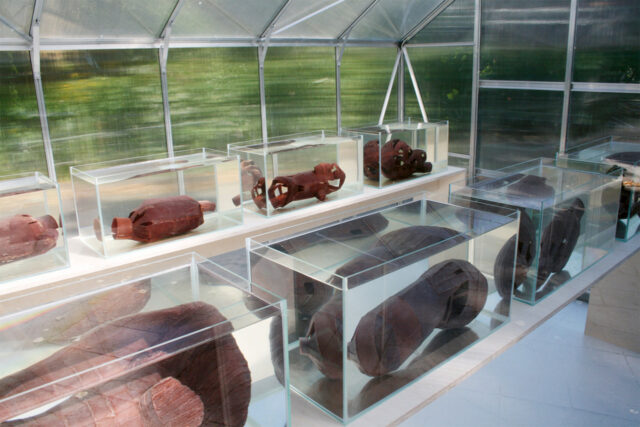
super bien! Gewächshaus für zeitgenössische kunst
2016
,
2006
Schwedter Straße
232
Berlin
10435
superbien-berlin.net
Anne Katrin Stork,
Untitled,
2006, Foto: Anne Katrin Stork
In Berlin wurden ja schon gute und wichtige Akzente gesetzt, jedoch sollte dieses Bewusstsein auch auf Bundesebene mehr durchschlagen und ein Gesamtkonzept zur Unterstützung der Kultur in Angriff genommen werden.
These try-outs should be understood not in abstract terms, but in the light of the current struggles with labor, housing, racism, homophobia, and anti-fascist positions. If politicians can facilitate these processes for us to work, that would be great. We would wish that the situation wouldn’t look as somber but reality is also knocking on the door of the art sphere. Can politicians regulate the price for studios and project spaces? Can they facilitate real financial support for diversity? Can they push a little bit further and understand the complex situation of art practitioners during and after the pandemic, and give some more support?
Die Diversität des Begriffs „Projektraum“ öffnet durchaus Horizonte, führt aber auch im Gegenzug zu fachlichen Überdehnungen des Kunstbegriffs. Der vorherrschende Fördermarkt-Sozialdarwinismus stellt Tiefgänge infrage. Komplexe kulturelle Transformationsprozesse lassen sich mit den oft daraus entspringenden tagespolitischen Diskursen nicht ausreichend begleiten. Im Grunde genommen entsteht so ein Oberflächen-Projektraum-Diskurs-Impressionismus.