Auszeichnung
künstlerischer Projekträume
und -initiativen

singuhr e. V.

1996
Initiative

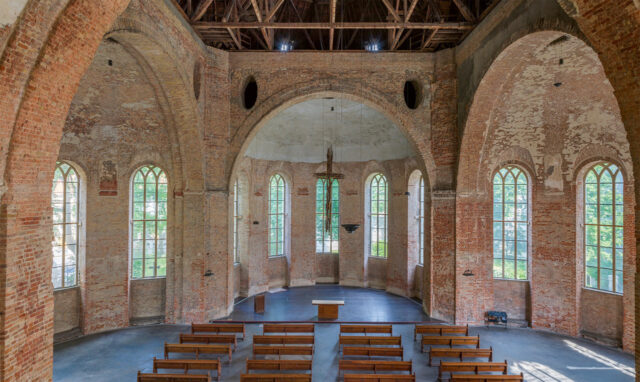
Rolf Julius, Musik, weiter entfernt, Klanginstallation, 1999/2021, Parochialkirche Berlin, Foto: Roman März
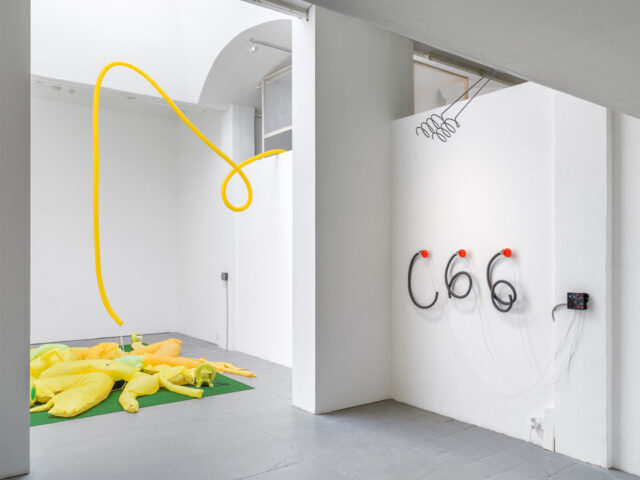
Julio Lugon, Elephant Meditations, Klanginstallation, 2021, Meinblau Projektraum, Foto: Roman März

Nun, spätestens seit Beuys wissen wir von der Kunst als „sozialer Plastik“ − Kunst sollte in alle Bereiche unseres Lebens einfließen, um das Leben kreativer, sozialer und besser zu machen. Doch durch die extreme Kommerzialisierung des Kunstmarktes, der den Markt möglichst klein und exklusiv halten will, um so für einige wenige Künstler*innen extrem hohe Preise zu erzielen, wird die Kunstszene auf wenige Akteur*innen beschränkt: ein paar sehr große internationale kommerzielle Galerien, Auktionshäuser, Museen, große Sammler*innen oder auch Wertanlagen für Fonds und Unternehmen usw. Um die Kunst jedoch in unser aller Leben zu integrieren, muss dieser in sich geschlossene exklusive High-Art-Market aufgebrochen werden. Die Kunstszene muss sowohl für ein breites Publikum als auch für eine Vielzahl von unterschiedlichen Künstler*innen zugänglich sein. Diese Aufgabe können Projekträume am besten leisten, weil sie die Vielfalt und Diversität der zeitgenössischen Kunstszene am besten widerspiegeln.Art has the unique ability to help us expand our imagination and the way we think about the world. By bending the lines of logic and ­rational approaches, it offers a gateway to our collective unconscious and provides a terrain where everything is possible, hence pushing our thinking process forward. We see art and artists as seismographs for changes in society. There is also great freedom in art, addressing big and timeless questions that are independent of current economic and political realities and interests. Art can be a space for utopias, or for histories outside of history books. Art is important because it keeps us going through the difficult and dark times. Art keeps us alive.The art scene, spaces, artists, and initiators in the past ten years (being a continuum of what has gone before) in a nutshell, can be seen to have changed from individual authorships to more collective ones. They act in opposition to the anonymized corporate structures, in particular the giant housing conglomerates (these destructive collective edifices that have the same legal rights as a sentient individual human being) that threaten to dissemble the unique fabric of the city of Berlin that provided a fertile ground in which these initiatives could rise, connect, and thrive. So the project room scene provides a positive counter-weight to these destructive development processes as a living, breathing, collaborative, and inclusive network. I hope that this fabulous project room network does not drown in the indifference of mainstream political thinking in the city of Berlin.