Auszeichnung
künstlerischer Projekträume
und -initiativen

Kotti-Shop

2008
Adalbertstraße
4
Berlin
10999
Kotti-Shop ist ein experimenteller, Non-Profit Kunst- und Projektraum, der 2008 gegründet wurde. Das Besondere am Kotti-Shop ist aber neben der Vielschichtigkeit der Aktivitäten seine Rolle im Kiez und starke Verbindung zur Nachbarschaft. Er ist ein spielfreudiger Experimentierraum, ein Bezugs- und Aktivitätsraum gerade auch für viele Kinder im neuen Kreuzberger Zentrum. Der Kotti-Shop ist nicht nur Projektraum innerhalb seiner festen Architektur, sondern zugleich Ausgangspunkt von größer angelegten, künstlerisch-kollaborativen Projekten im In- und Ausland.
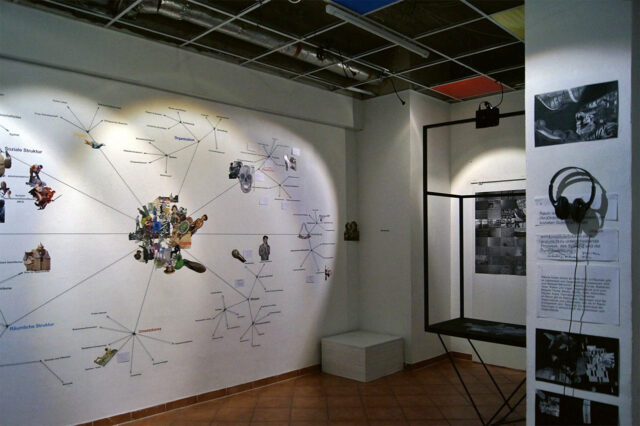
Forms of Negotiation, 2013, Foto: Stefan Endewardt
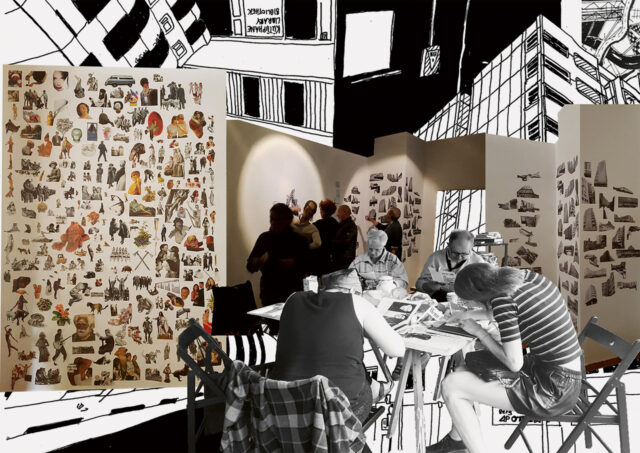
Stefan Endewardt, Mapping the Common Ground, Collage
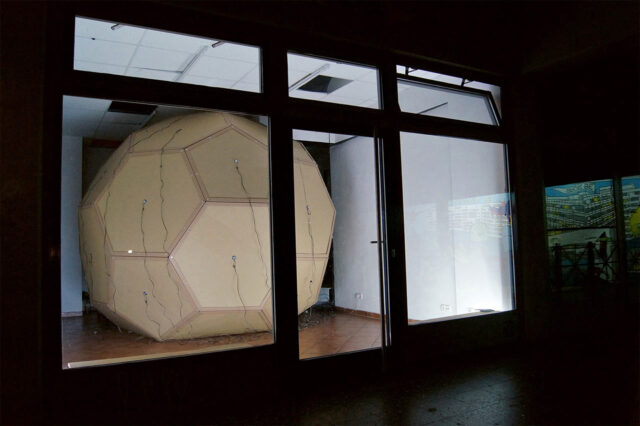
Das Gefängnis in mir, Foto: Stefan Endewardt

I wish that politicians would ­realize how important funding structures are and how much these can shape an art scene – shape a city.The commercialization of the contemporary art scene in the last decade has created alienation and dissociation from the audience. The social filters at the established exhibition spaces, the sterilization of methods of presentation, and over-professionalism have created an image and perception of inaccessibility. In that respect, project spaces and art initiatives that resist these dynamics and strive for keeping direct social contact maintain the political potential of artistic practice. We don’t promote the conventional star system in selecting the artists we are collaborating with; we don’t pursue a hierarchical method by employing an omnipotent curator; we value the critical content and formal experimentalism of the artworks rather than the conditions of their presentation, and we don’t sell any artworks in our space; we don’t invest our energy in commercial speculation. We put an emphasis on the collective and on the social. We keep contact with our immediate neighborhood (in Neukölln), and we prioritize the knowledge about and the cultural accumulation of a particular geography. Hence, we engage in a counter-position against the dominant dynamics that have shaped the field of the contemporary art scene in the last decade. The pandemic condition has also been a drastic element that forced actors in the field to reconsider methods of presentation and social contact.For many decades Berlin has developed a lively, diverse, and independent way of producing culture and counteracting government decisions, based on, local, generous, and enthusiastic, but also worried, social communities that exchanged resources and ideas ­within a larger political debate. The city became a “natural” shelter and ­fertile environment for dissidents, artists, political refugees, and immigrants with any background also due to the need to overcome a traumatic past full of human generated atrocities that are still present in people memories and behaviour.