Auszeichnung
künstlerischer Projekträume
und -initiativen

uqbar

Gesellschaft für Representationsforschung e.V.

2007
Schwedenstraße
16a
Berlin
13357

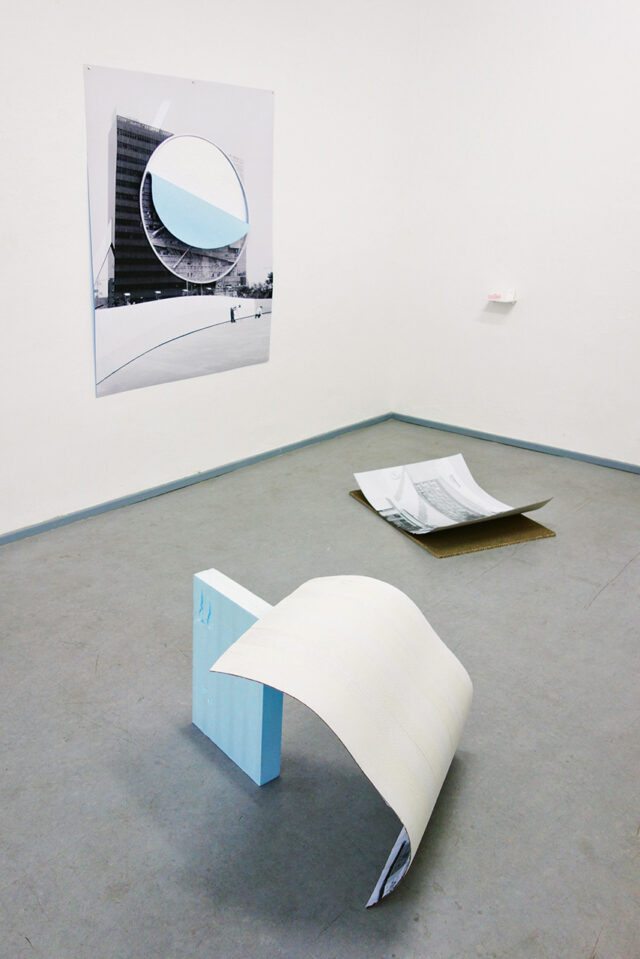
Diana Artus, Ausstellungsansicht, 2015, Foto: Diana Artus
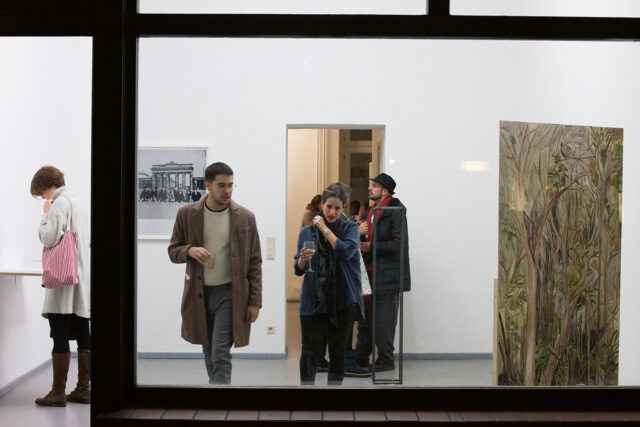
Dig Where You Stand, Ausstellungsansicht, 2016

To run a space is a form of appreciation of other artists, it is an outcome of friendship and mutual understanding; it is an indication of trust between all involved. To run a space means to take responsibility. To run a space is not only self-organization – money may not be vital to put up a show – but it is for sure necessary to animate a space and keep it alive. The prize comes due to hard and merited work, but maybe a grant would be more befitting than a prize? Maybe an iron scaffold holding up a structure in advance is better suited than a gold star for accomplishments? To run a space is a full time job. A group of artists who share their enthusiasm, interests, time, and skills would impart a project with a larger circulation of assignments between the makers. I am convinced that the longevity and success of a space relies on a horizontally organized (net) work.Art has the unique ability to help us expand our imagination and the way we think about the world. By bending the lines of logic and ­rational approaches, it offers a gateway to our collective unconscious and provides a terrain where everything is possible, hence pushing our thinking process forward. We see art and artists as seismographs for changes in society. There is also great freedom in art, addressing big and timeless questions that are independent of current economic and political realities and interests. Art can be a space for utopias, or for histories outside of history books. Art is important because it keeps us going through the difficult and dark times. Art keeps us alive.The commercialization of the contemporary art scene in the last decade has created alienation and dissociation from the audience. The social filters at the established exhibition spaces, the sterilization of methods of presentation, and over-professionalism have created an image and perception of inaccessibility. In that respect, project spaces and art initiatives that resist these dynamics and strive for keeping direct social contact maintain the political potential of artistic practice. We don’t promote the conventional star system in selecting the artists we are collaborating with; we don’t pursue a hierarchical method by employing an omnipotent curator; we value the critical content and formal experimentalism of the artworks rather than the conditions of their presentation, and we don’t sell any artworks in our space; we don’t invest our energy in commercial speculation. We put an emphasis on the collective and on the social. We keep contact with our immediate neighborhood (in Neukölln), and we prioritize the knowledge about and the cultural accumulation of a particular geography. Hence, we engage in a counter-position against the dominant dynamics that have shaped the field of the contemporary art scene in the last decade. The pandemic condition has also been a drastic element that forced actors in the field to reconsider methods of presentation and social contact.