Auszeichnung
künstlerischer Projekträume
und -initiativen
Auszeichnung
künstlerischer Projekträume
und -initiativen
Archiv
:
2023
,
2022
,
2021
,
2020
,
2019
,
2018
,
2017
,
2016
,
2015
,
2014
,
2013
,
2012
Events
Archiv
Information
Stipendien 2021
Stipendien 2022
Statements
Rückblick
Kontakt
Impressum
2017
,
>top Schillerpalais
2017
,
2002
Schillerpromenade
4
Berlin
12049
top-ev.de
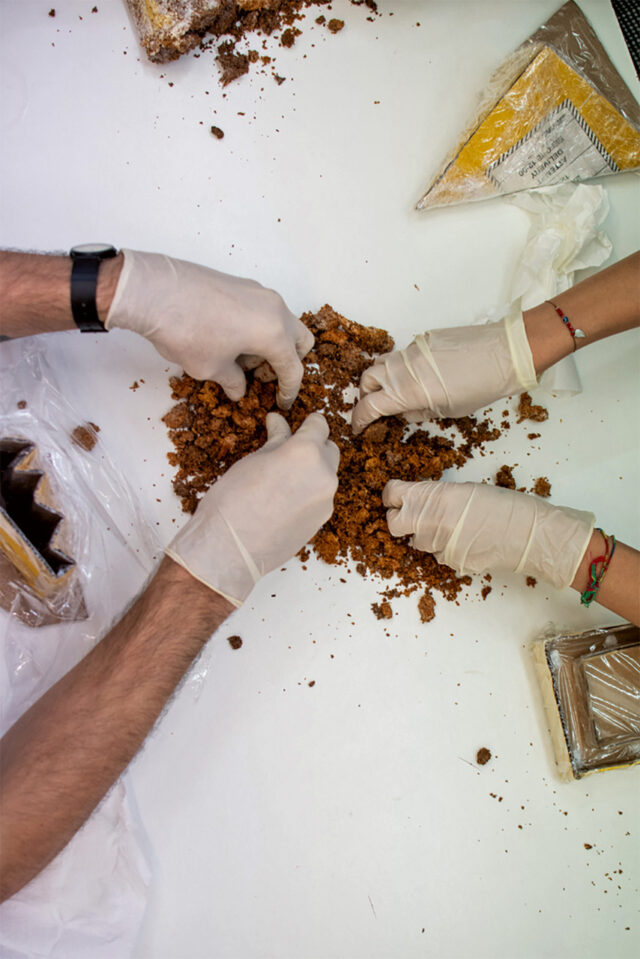
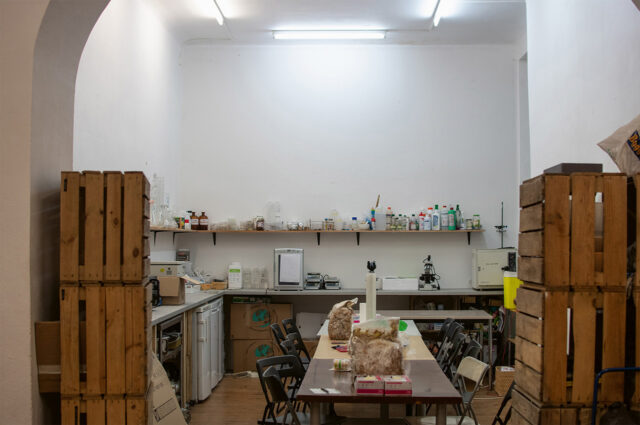
Mind-the-fungi,
Lab, 2019, Foto: Bon Alog
Mind-the-fungi,
Workshop, 2019, Foto: Bon Alog
Prinzipiell ist unsere Haltung heute, dass wir honorierte Arbeit − ob nun für die Infrastruktur oder einzelne Inhalte und Formate, ob für uns oder Dritte, mit denen wir arbeiten − als Prinzip anstreben.
Unsere Miete hat sich mehr als verdoppelt.
Ist eine Arbeit, die zur Ehre gereicht, denn moralisch und überhaupt besser als eine, die dazu noch Geld generiert? Sagt denn die künstliche Trennung von ehrenamtlich/nicht kommerziell und kommerziell nicht eigentlich Geld = schlecht. Es kann aber durchaus dazu dienen, ein wie auch immer gestaltetes konzeptuelles Programm zu realisieren. Kann denn in dieser Welt, wie sie sich heute knallhart darstellt, überhaupt dauerhaft behauptet werden, eine prekäre Lebenssituation sei erstrebenswert und eine Abkopplung vom Monetären möglich? Wird nicht dadurch erst der vorgezeichnete Weg systemisch gangbar gemacht, in einer Doktrin aufzusteigen und die schlechten Zeiten hinter sich zu lassen, die später die legendär verklärten guten Zeiten sein werden?