Auszeichnung
künstlerischer Projekträume
und -initiativen
Auszeichnung
künstlerischer Projekträume
und -initiativen
Archiv
:
2023
,
2022
,
2021
,
2020
,
2019
,
2018
,
2017
,
2016
,
2015
,
2014
,
2013
,
2012
Events
Archiv
Information
Stipendien 2021
Stipendien 2022
Statements
Rückblick
Kontakt
Impressum
2017
,
>top Schillerpalais
2017
,
2002
Schillerpromenade
4
Berlin
12049
top-ev.de
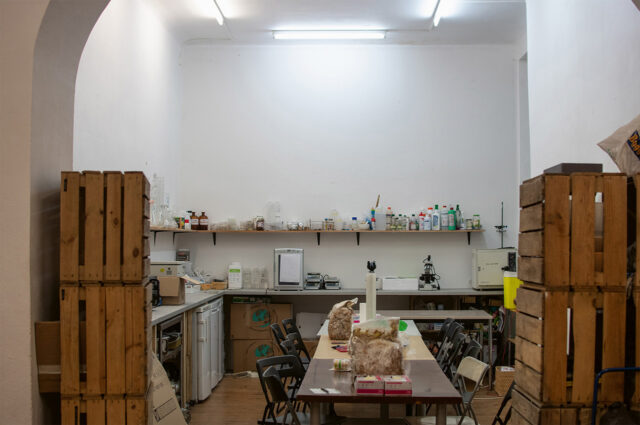
Mind-the-fungi,
Lab, 2019, Foto: Bon Alog
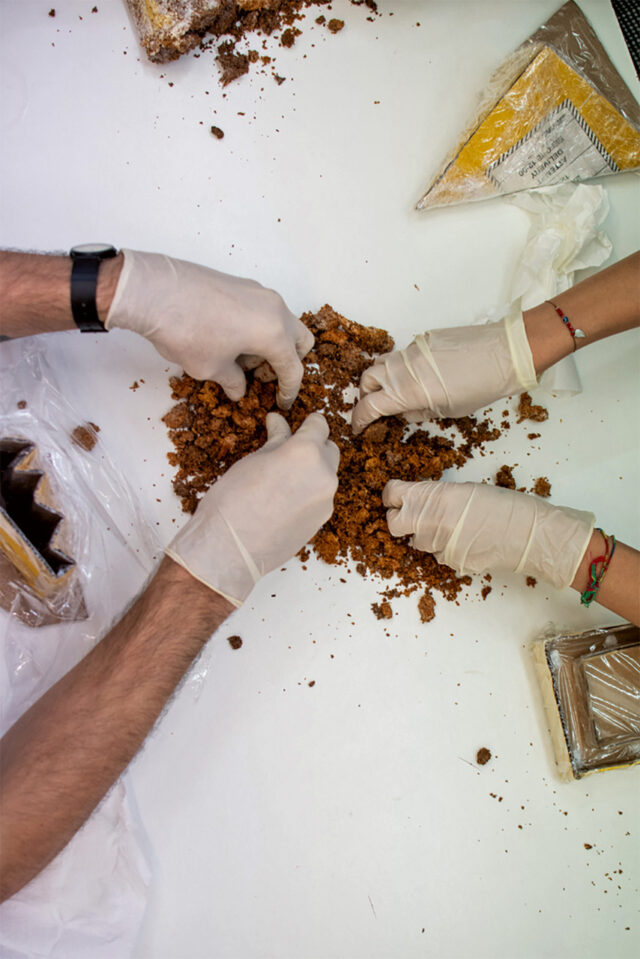
Mind-the-fungi,
Workshop, 2019, Foto: Bon Alog
Es gibt keinen Prototypen, von dem aus verbindliche Aussagen gemacht werden können. Das zeigen auch immer wieder die Selbstverständnisdebatten. Die Projekträume haben sich mit der Stadt und ihrer Gentrifizierung geändert, aber ebenso mit dem Kunstsystem und der Kunst bzw. der künstlerischen Praxis in der Stadt. Die Szene ist konstant im Fluss. Manche Projekträume haben sich institutionalisiert, andere lehnen das kontinuierlich ab und befinden sich eher außerhalb des Radars. Ich sehe darin eine Stärke und würde nicht von einem „idealen Projektraum zur jeweiligen Zeit“ sprechen. So unterschiedlich die Räume physisch sind, so unterschiedlich ist teilweise die Art, wie sie gemacht werden, und an wen sie sich wenden.
I have never really been a friend of these kinds of networks, but from what I can see, you have done a pretty good job for the visibility of and necessity for free spaces.
Ohne die Projekträume und die Spielfelder, die sie bilden, wäre die Kulturlandschaft der Stadt Berlin eine Brache.