Auszeichnung
künstlerischer Projekträume
und -initiativen
Auszeichnung
künstlerischer Projekträume
und -initiativen
Archiv
:
2023
,
2022
,
2021
,
2020
,
2019
,
2018
,
2017
,
2016
,
2015
,
2014
,
2013
,
2012
Events
Archiv
Information
Stipendien 2021
Stipendien 2022
Statements
Rückblick
Kontakt
Impressum
2017
,
SOMA Art Gallery
2017
,
2014
SOMA 700
Monumentenstraße
24
Berlin
10965
somaartspace.com
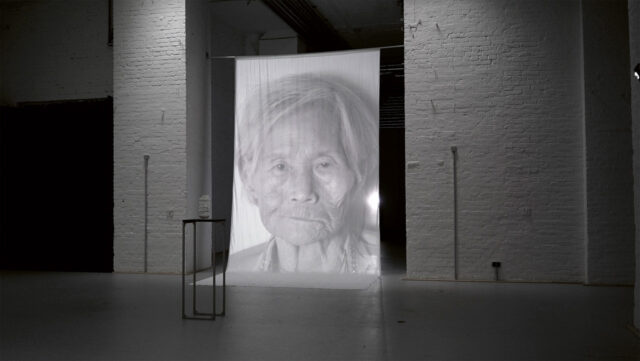
Kahee Jeong,
Unmyth,
2021, Foto: Nabi Nara
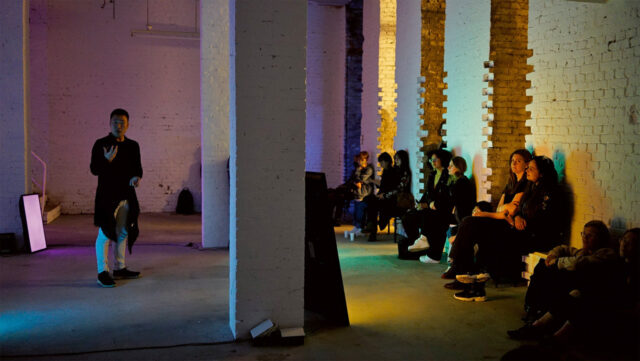
Kevin Groen,
Boys don’t cry,
2020, Foto: Nabi Nara
To run a space is a form of appreciation of other artists, it is an outcome of friendship and mutual understanding; it is an indication of trust between all involved. To run a space means to take responsibility. To run a space is not only self-organization – money may not be vital to put up a show – but it is for sure necessary to animate a space and keep it alive. The prize comes due to hard and merited work, but maybe a grant would be more befitting than a prize? Maybe an iron scaffold holding up a structure in advance is better suited than a gold star for accomplishments? To run a space is a full time job. A group of artists who share their enthusiasm, interests, time, and skills would impart a project with a larger circulation of assignments between the makers. I am convinced that the longevity and success of a space relies on a horizontally organized (net) work.
The pandemic gave us a pause and became a forced hiatus. For us, it didn’t make sense to organize events or to move into the digital space during the last year. A willingness to think outside the box, to implement short-term funding, and to listen to the needs of the community. Not everyone requires long term investments; others would like to apply for EUR 500 to develop a project for next month. These quick, low-cost funding opportunities are not clearly available yet. When implementing initiatives, first think about the places and the people you are trying to serve. Requiring project spaces to have a program mapped out six months in advance, or ask for only German-language applications is not responding to the community.
The art scene, spaces, artists, and initiators in the past ten years (being a continuum of what has gone before) in a nutshell, can be seen to have changed from individual authorships to more collective ones. They act in opposition to the anonymized corporate structures, in particular the giant housing conglomerates (these destructive collective edifices that have the same legal rights as a sentient individual human being) that threaten to dissemble the unique fabric of the city of Berlin that provided a fertile ground in which these initiatives could rise, connect, and thrive. So the project room scene provides a positive counter-weight to these destructive development processes as a living, breathing, collaborative, and inclusive network. I hope that this fabulous project room network does not drown in the indifference of mainstream political thinking in the city of Berlin.