Auszeichnung
künstlerischer Projekträume
und -initiativen

SOMA Art Gallery

2014
SOMA 700
Monumentenstraße
24
Berlin
10965

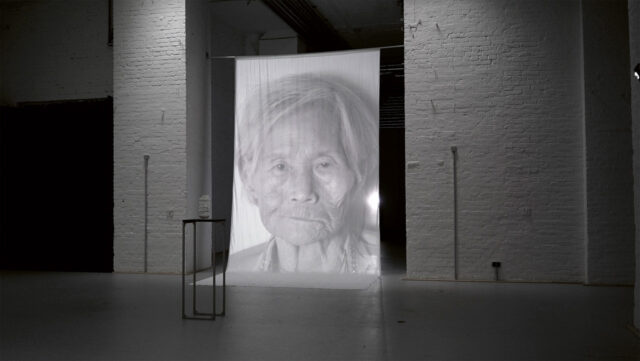
Kahee Jeong, Unmyth, 2021, Foto: Nabi Nara
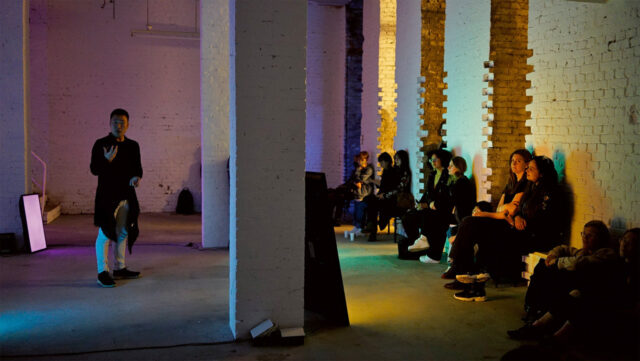
Kevin Groen, Boys don’t cry, 2020, Foto: Nabi Nara

The engagement and support from the Network has been vitally important to our growth and sustainability, and also our learning and understanding of the ­wider Berlin art scene beyond our micro-communities. For one thing, we have learned so much about the plurality of spaces and creative ­discourses in Berlin. But the open discussion that the Network allows with the Berlin Senate and one another has been really important in order to understand our needs as unique nodes in the artistic landscape of Berlin, and creative mutual goals for the sustainability and vitality of the community as a whole.The pandemic gave us a pause and became a forced hiatus. For us, it didn’t make sense to organize events or to move into the digital space during the last year. A willingness to think outside the box, to implement short-term funding, and to listen to the needs of the community. Not everyone requires long term investments; others would like to apply for EUR 500 to develop a project for next month. These quick, low-cost funding opportunities are not clearly available yet. When implementing initiatives, first think about the places and the people you are trying to serve. Requiring project spaces to have a program mapped out six months in advance, or ask for only German-language applications is not responding to the community.Mangelnde Vernetzung führt zu unnötigen Konkurrenzsituationen im Kampf um Aufmerksamkeit und Fördertöpfe. Der ideale Projektraum ist/war eine Win-win-Situation für Betreiber*innen und Künstler*innen. Beide können neue Experimente starten und neue Modelle ausprobieren unter fairen finanziellen Bedingungen, sprich mit Honorar und Projektfinanzierung/Sponsoren. Projekträume haben sich auch durch Verdrängung und höhere Mieten in entlegene Kieze und Bezirke verlagert/verlagern müssen. Wir alle sind Teil eines „idealen“ Projektraums, zusammen sind wir höchst heterogen, divers und das größte zusammenhängende Ausstellungshaus in Berlin. In Berlin hat sich in den letzten zehn Jahren das Verhältnis zu Raum als einer grundlegenden Basis für unser Zusammen­leben dramatisch verändert − und zwar aus der Perspektive der künst­lerischen Nutzung eindeutig zum Schlechten. Der Profitwahnsinn hat die Stadt seit der Finanzkrise zunehmend erfasst; sowohl ­global agierende Finanz- und Immobilienhaie als auch viele mittlere und kleine Geldanleger haben Berlin und seine umbauten Räume als handelbare Ware auserkoren mit der Folge, dass die Preise dafür explodiert sind. Die Politik unternimmt dagegen ­leider nichts wirklich Effektives und scheint daran kaum Anstoß zu ­nehmen. Darunter leiden in erster Linie die sozial Schwächeren und nicht zuletzt die meisten Kunst- und Kulturschaffenden. Berlin ist im Begriff, seine Ausstrahlung und seinen Nimbus als Anziehungspunkt für experimentelle und innovative Kunstprojekte zu verlieren. Wir hoffen, dass sich weiterer Widerstand gegen diese allgemeine Tendenz gerade auch aus dem Feld der Kunst regt und Berlin weiterhin ein Ort für lebendige und kritische Kunst sein wird.