Auszeichnung
künstlerischer Projekträume
und -initiativen

Schneeeule

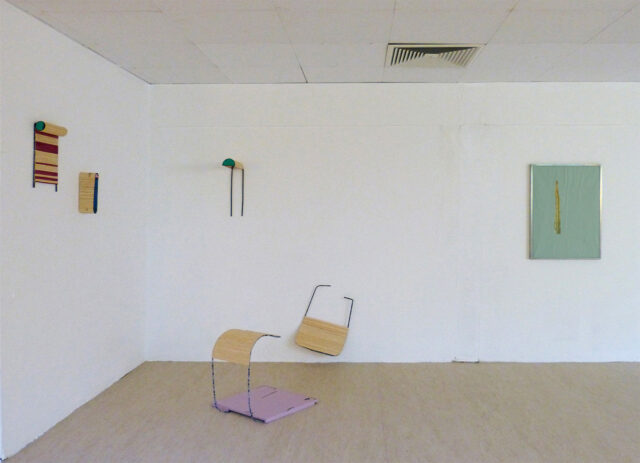
Tula Plumi & Lisa Herfeldt, Convolution, 2018, Foto: Silke Nowak
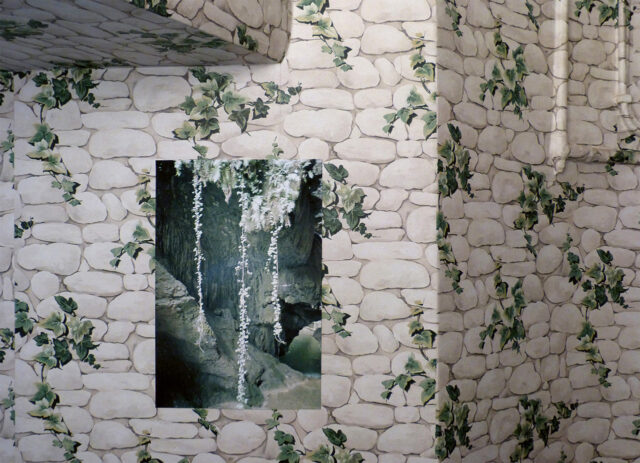
Wendy Taylor, Efeu, 2019, Foto: Silke Nowak

Die Pandemie hat uns gezwungen, nicht nur mehr in den digitalen Raum zu expandieren, sondern uns darüber hinaus mehr Gedanken zu machen hinsichtlich eines barrierefreien Zugangs – insbesondere auch im digitalen Raum –, um ein möglichst breites Publikum mit unseren Ausstellungen, Performances, Veranstaltungen und Kinder-Workshops zu erreichen. Die Verwendung von Videos anstelle von Werktexten, die Verwendung von Leichter Sprache auf der Website sowie die Ausstellung als Spiel sind nur einige exemplarische Strategien, die wir während Corona dazu entwickelt haben – und beibehalten werden.Every hour one puts into the project will be missed in your own practice. Project spaces are significant to counter the institutions and their market-oriented curated productions. They still have the ­capac­ity to foster artistic practices and communities, but also to be resistant to general tendencies and trends. Perhaps project spaces are now what once were the underground and the avant-garde.In the early years, we were not thinking so much about accessibility to our exhibitions and events in a physical sense of venues without elevators or events without translation, but also in a digital sense. For many years, our online magazine hadn’t been accessible for screen-readers for people with poor vision or the blind, or keyboard navigation for people with mobility issues, for example. Getting there was a journey, and I think we would now start from a more accessible place. I would want local politicians to make their funding applications more accessible, not only in terms of able-ism, but also in terms of all forms of discrimination, e.g. proof of citizenship, applications having to be written in German. I wish that they would give a universal basic income to everyone (not just citizens), open their borders, and make healthcare free, free for everyone.