Auszeichnung
künstlerischer Projekträume
und -initiativen
Auszeichnung
künstlerischer Projekträume
und -initiativen
Archiv
:
2023
,
2022
,
2021
,
2020
,
2019
,
2018
,
2017
,
2016
,
2015
,
2014
,
2013
,
2012
Events
Archiv
Information
Stipendien 2021
Stipendien 2022
Statements
Rückblick
Kontakt
Impressum
2015
,
ROSALUX
2015
,
1999/2006
Wriezener Straße
12
Berlin
13352
rosalux.com
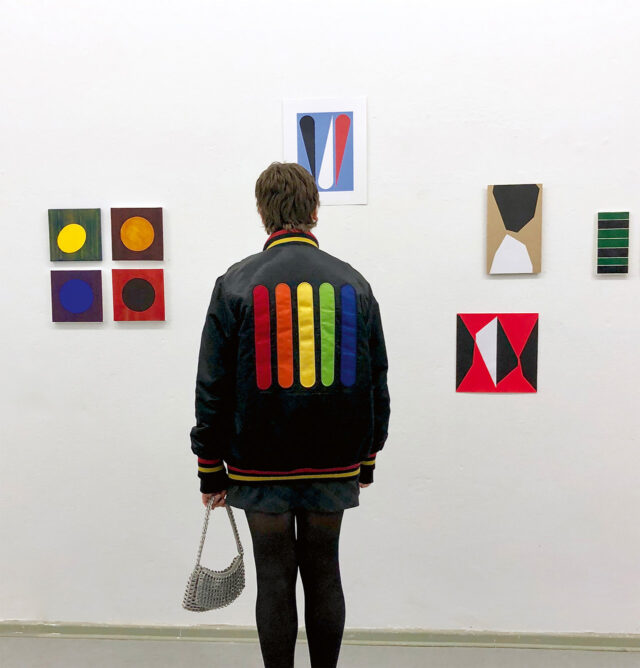
Zwischenräume,
2020, Foto: Tiny Domingos
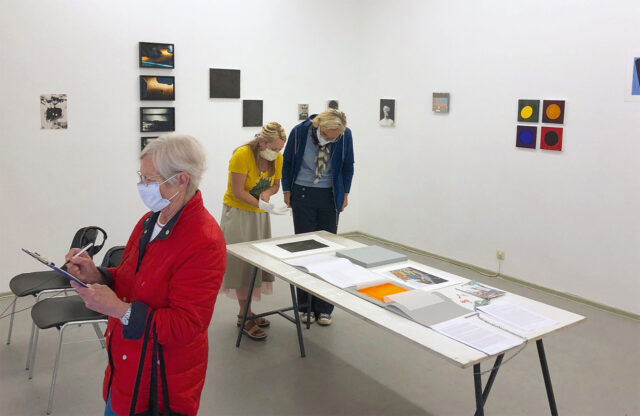
Zwischenräume,
2020, Foto: Tiny Domingos
To run a space is a form of appreciation of other artists, it is an outcome of friendship and mutual understanding; it is an indication of trust between all involved. To run a space means to take responsibility. To run a space is not only self-organization – money may not be vital to put up a show – but it is for sure necessary to animate a space and keep it alive. The prize comes due to hard and merited work, but maybe a grant would be more befitting than a prize? Maybe an iron scaffold holding up a structure in advance is better suited than a gold star for accomplishments? To run a space is a full time job. A group of artists who share their enthusiasm, interests, time, and skills would impart a project with a larger circulation of assignments between the makers. I am convinced that the longevity and success of a space relies on a horizontally organized (net) work.
Art has the unique ability to help us expand our imagination and the way we think about the world. By bending the lines of logic and rational approaches, it offers a gateway to our collective unconscious and provides a terrain where everything is possible, hence pushing our thinking process forward. We see art and artists as seismographs for changes in society. There is also great freedom in art, addressing big and timeless questions that are independent of current economic and political realities and interests. Art can be a space for utopias, or for histories outside of history books. Art is important because it keeps us going through the difficult and dark times. Art keeps us alive.
In den letzten zehn Jahren haben sich die Finanzierungsmöglichkeiten von Offspaces der bildenden Kunst sehr weiterentwickelt. Das betrifft nicht nur den Projektraumpreis oder die Basisförderung, sondern auch zum Beispiel die spartenoffene Förderung oder den Topf Präsentationen zeitgenössischer Kunst. Mit einer Kombination aus Getränkeverkäufen, Projektraumpreis, Basisförderung, Spartenoffener Förderung sowie ab und zu Raumvermietung war es uns möglich, unseren Raum zu finanzieren und selbst, ungenügend, entlohnt zu werden. Unsere künstlerisch-kuratorische Arbeit ist tatsächlich, wie der Name schon sagt, Arbeit, die angemessen vergütet werden sollte. Es ist falsch, Offspace-Arbeit ins Ehrenamt zu verdrängen. Hier wird derselbe Fehler wiederholt, der bei Künstler*innen gemacht wird. Jede andere Arbeit wird selbstverständlich entlohnt, nur die künstlerische nicht, da stehen wir noch am Anfang. Und auch bei Offspaces wird erwartet, dass die Menschen, die diese Räume gestalten und als Ressourcen zur Verfügung stellen, gar nichts bis wenig verdienen. Dabei sind Offspaces mit die ersten Anlaufstellen für Künstler*innen in Berlin. Es ist höchste Zeit, Honoraruntergrenzen für freie Kurator*innen und Offspace-Betreiber*innen festzulegen und Offspaces nicht nur als Nice-to-have oder Hobby von beruflich anderweitig beschäftigten oder reichen Menschen zu betrachten, sondern als einen tatsächlich professionellen Lebensinhalt. Dazu gehört auch, kuratorische Arbeit endlich als künstlerisch-publizistisch anzuerkennen und Kurator*innen/Offspace-Betreiber*innen in der Künstlersozialkasse zu versichern.