Auszeichnung
künstlerischer Projekträume
und -initiativen
Auszeichnung
künstlerischer Projekträume
und -initiativen
Archiv
:
2023
,
2022
,
2021
,
2020
,
2019
,
2018
,
2017
,
2016
,
2015
,
2014
,
2013
,
2012
Events
Archiv
Information
Stipendien 2021
Stipendien 2022
Statements
Rückblick
Kontakt
Impressum
2019
,
panke.gallery
2019
,
2016
Gerichtstraße
23
Berlin
13347
panke.gallery
concrete::dynamic,
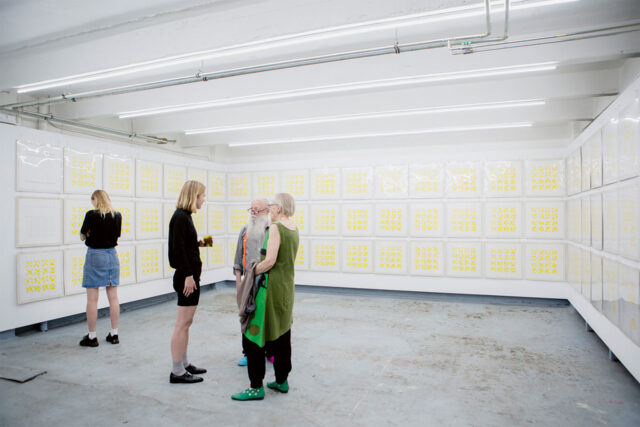
2017, Foto: Visvaldas Morkevicius
#idnSTREETart,
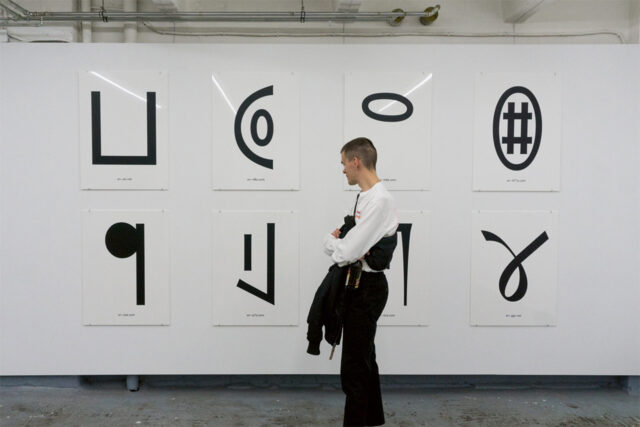
2017
Das Netzwerk ist wichtig, jedoch vielen Leuten nicht sehr bekannt. Es müsste medial präsenter auftreten, also sichtbarer werden, auch unabhängig von der Preisvergabe.
Die Umstände für unabhängige Projekträume haben sich bei gleichbleibender Dringlichkeit für deren Existenz geändert: Wir brauchen weiterhin Freiräume, in denen die Frage „Wie wollen wir zusammenleben in dieser vernetzten und verletzten Welt?“ auf viele verschiedene Arten gestellt und Annäherungen an eine mögliche Beantwortung ausprobiert werden können. Die massiv gesteigerten Raummieten in Berlin und die fast ausnahmslose Finanzierung nur über Projektförderung und die Nichtunterstützung von Infrastruktur erschweren und verunmöglichen größtenteils Experimentation, Ausprobieren, einen Raum zum Scheitern und damit Lernen. Projektanträge müssen vorab bis zum letzten Ergebnis ausbuchstabiert werden inklusive der erwarteten Zuschauer*innenzahl. Das fesselt viel Ideenreichtum und Mut zu Neuem, es verhindert gleichzeitig ein kontinuierliches Arbeiten und hält Projekträume dauerhaft in einem Zustand ungesunder, prekärer Arbeitsbedingungen. Was wir uns für die Berliner Projekträume wünschen? Planbare, langfristige und nachhaltige Förderung mit Respekt und Vertrauen in Räume, die seit Jahren wesentlich zur Kulturlandschaft beitragen.
Die Pandemie hat uns gezwungen, nicht nur mehr in den digitalen Raum zu expandieren, sondern uns darüber hinaus mehr Gedanken zu machen hinsichtlich eines barrierefreien Zugangs – insbesondere auch im digitalen Raum –, um ein möglichst breites Publikum mit unseren Ausstellungen, Performances, Veranstaltungen und Kinder-Workshops zu erreichen. Die Verwendung von Videos anstelle von Werktexten, die Verwendung von Leichter Sprache auf der Website sowie die Ausstellung als Spiel sind nur einige exemplarische Strategien, die wir während Corona dazu entwickelt haben – und beibehalten werden.