Auszeichnung
künstlerischer Projekträume
und -initiativen
Auszeichnung
künstlerischer Projekträume
und -initiativen
Archiv
:
2023
,
2022
,
2021
,
2020
,
2019
,
2018
,
2017
,
2016
,
2015
,
2014
,
2013
,
2012
Events
Archiv
Information
Stipendien 2021
Stipendien 2022
Statements
Rückblick
Kontakt
Impressum
2018
,
MAVRA
2018
,
2015–(pausiert)
Möckernstraße
68
Berlin
10965
mavra.info
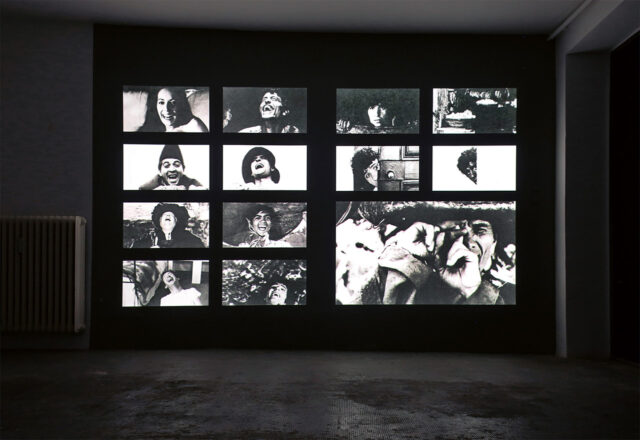
Pasolini’s Bodies and Places,
2017
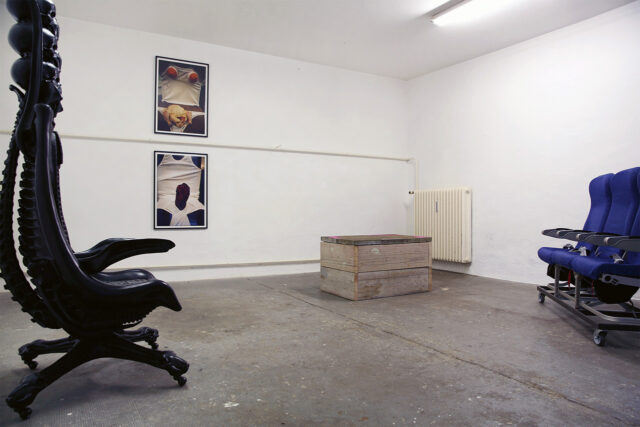
sittingbone,
Ausstellungsansicht, 2021
Es gibt keinen Prototypen, von dem aus verbindliche Aussagen gemacht werden können. Das zeigen auch immer wieder die Selbstverständnisdebatten. Die Projekträume haben sich mit der Stadt und ihrer Gentrifizierung geändert, aber ebenso mit dem Kunstsystem und der Kunst bzw. der künstlerischen Praxis in der Stadt. Die Szene ist konstant im Fluss. Manche Projekträume haben sich institutionalisiert, andere lehnen das kontinuierlich ab und befinden sich eher außerhalb des Radars. Ich sehe darin eine Stärke und würde nicht von einem „idealen Projektraum zur jeweiligen Zeit“ sprechen. So unterschiedlich die Räume physisch sind, so unterschiedlich ist teilweise die Art, wie sie gemacht werden, und an wen sie sich wenden.
The commercialization of the contemporary art scene in the last decade has created alienation and dissociation from the audience. The social filters at the established exhibition spaces, the sterilization of methods of presentation, and over-professionalism have created an image and perception of inaccessibility. In that respect, project spaces and art initiatives that resist these dynamics and strive for keeping direct social contact maintain the political potential of artistic practice. We don’t promote the conventional star system in selecting the artists we are collaborating with; we don’t pursue a hierarchical method by employing an omnipotent curator; we value the critical content and formal experimentalism of the artworks rather than the conditions of their presentation, and we don’t sell any artworks in our space; we don’t invest our energy in commercial speculation. We put an emphasis on the collective and on the social. We keep contact with our immediate neighborhood (in Neukölln), and we prioritize the knowledge about and the cultural accumulation of a particular geography. Hence, we engage in a counter-position against the dominant dynamics that have shaped the field of the contemporary art scene in the last decade. The pandemic condition has also been a drastic element that forced actors in the field to reconsider methods of presentation and social contact.
Ohne die Projekträume und die Spielfelder, die sie bilden, wäre die Kulturlandschaft der Stadt Berlin eine Brache.