2009
Reuterstraße
7
Berlin
12053
Centrum ist ein Projektraum für zeitgenössische Kunst in Neukölln. In einem Laden-
geschäft und ehemaligen Bordell zu Hause ist der Ausstellungsraum kein reiner White Cube, sondern erhält seinen Charakter vor allem durch seinen gefliesten Boden und seine bodenlangen Fenster. Centrum bietet Möglichkeiten zum Diskurs über zeitgenössische Kunst sowie Gelegenheit zum Kennenlernen, Vernetzen und Experimentieren. Centrum wurde 2009 gegründet. Seitdem wird das Programm und der Schwerpunkt von einem wechselnden Team beeinflusst. Derzeit wird Centrum von Rachel Monosov & Jorgina Stamogianni ko-kuratiert.
geschäft und ehemaligen Bordell zu Hause ist der Ausstellungsraum kein reiner White Cube, sondern erhält seinen Charakter vor allem durch seinen gefliesten Boden und seine bodenlangen Fenster. Centrum bietet Möglichkeiten zum Diskurs über zeitgenössische Kunst sowie Gelegenheit zum Kennenlernen, Vernetzen und Experimentieren. Centrum wurde 2009 gegründet. Seitdem wird das Programm und der Schwerpunkt von einem wechselnden Team beeinflusst. Derzeit wird Centrum von Rachel Monosov & Jorgina Stamogianni ko-kuratiert.
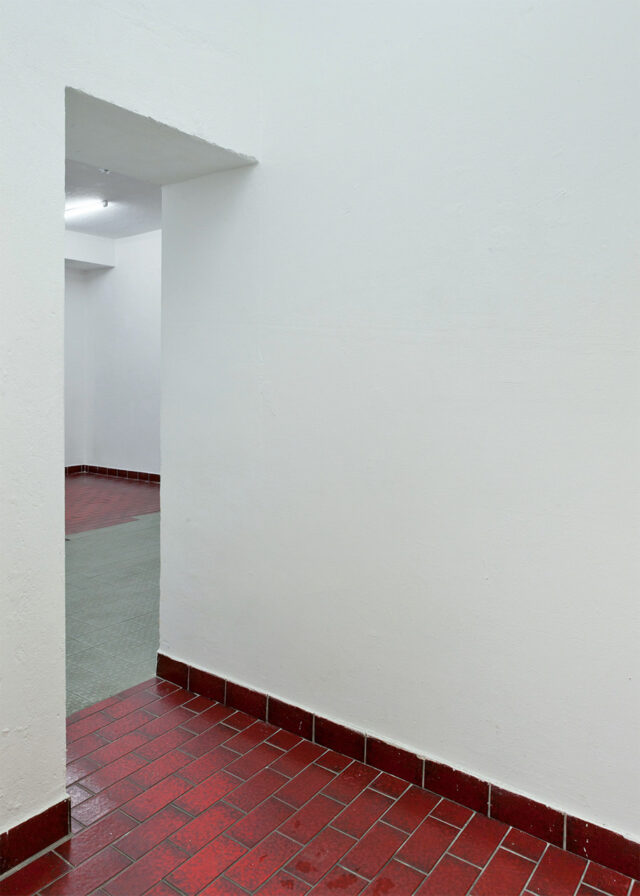
Centrum, Innenansicht, Foto: Ute Klein
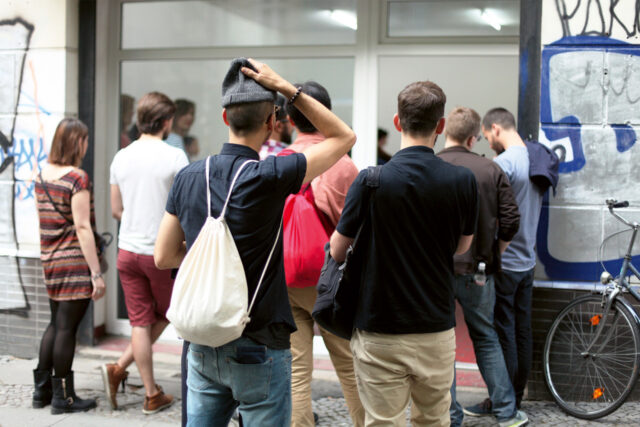
Emily Perry, Woman with Salad, Performance, 2016, Foto: Stefanie Dietzel & Alexander Gehlsdorf