Auszeichnung
künstlerischer Projekträume
und -initiativen
Auszeichnung
künstlerischer Projekträume
und -initiativen
Archiv
:
2023
,
2022
,
2021
,
2020
,
2019
,
2018
,
2017
,
2016
,
2015
,
2014
,
2013
,
2012
Events
Archiv
Information
Stipendien 2021
Stipendien 2022
Statements
Rückblick
Kontakt
Impressum
2017
,
CargoCult
2017
,
2012
Initiative
cargocult.de
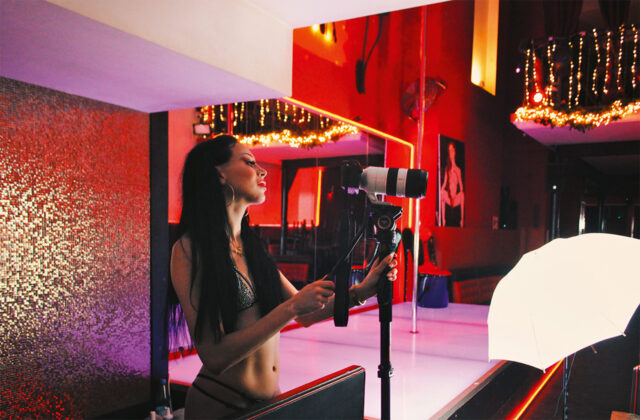
Blinde Winkel,
Kunstverein am Rosa-Luxemburg Platz, 2020
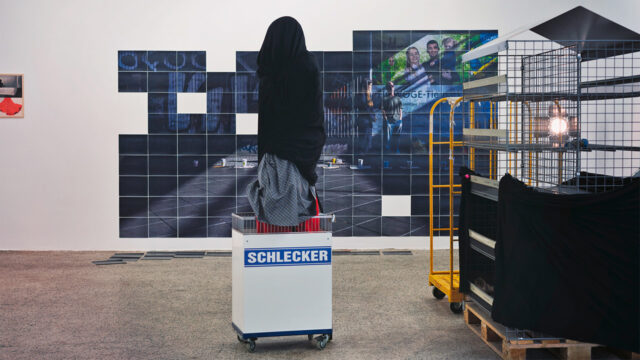
parrot in a colemine,
Kunstpunkt, 2018
There is probably no ideal project space, and that is exactly what is ideal about this format; the openness and the freedom that allows it to take any shape and direction. Project spaces are versatile structures that can be morphed in many different ways, reflecting the circumstances and the people that are part of the process. To us, a project space is a kind of utopia, although there is no fixed concept of an ideal project space. Project spaces are very much constantly evolving, changing, and adapting.
It always feels quite special when an institution catches the zeitgeist of a moment. Project spaces have a lot more freedom in this sense, and they can truly, sincerely, reflect a moment or a movement as it is happening. They are essential to a critically active arts scene. Perhaps the orientation of project spaces has been forced to shift towards something more self-sustainable – but that might not be a bad thing.
These try-outs should be understood not in abstract terms, but in the light of the current struggles with labor, housing, racism, homophobia, and anti-fascist positions. If politicians can facilitate these processes for us to work, that would be great. We would wish that the situation wouldn’t look as somber but reality is also knocking on the door of the art sphere. Can politicians regulate the price for studios and project spaces? Can they facilitate real financial support for diversity? Can they push a little bit further and understand the complex situation of art practitioners during and after the pandemic, and give some more support?