Auszeichnung
künstlerischer Projekträume
und -initiativen
Auszeichnung
künstlerischer Projekträume
und -initiativen
Archiv
:
2023
,
2022
,
2021
,
2020
,
2019
,
2018
,
2017
,
2016
,
2015
,
2014
,
2013
,
2012
Events
Archiv
Information
Stipendien 2021
Stipendien 2022
Statements
Rückblick
Kontakt
Impressum
2018
,
Büro BDP
(Broken Dimanche Press)
2018
,
2016
,
2009
Initiative
brokendimanche.eu
Adam Fearon,
Gryricon,
2015
6
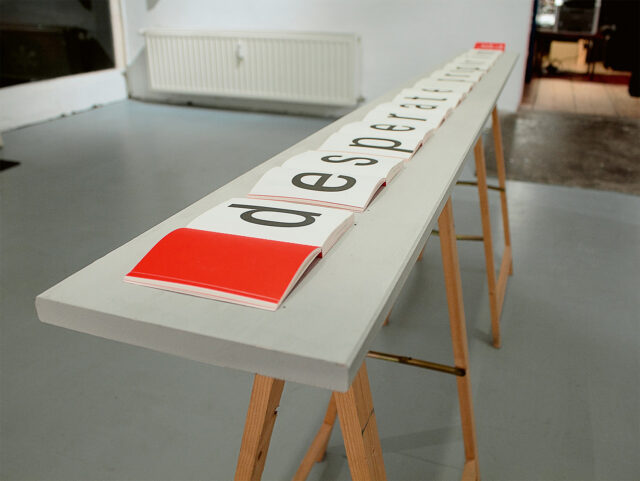
found short stories,
Buchpräsentation, 2017
The Project Space Prize has not only saved many spaces and kept them alive for a longer period but basically generated a unique experimental and diverse art scene in Berlin. The Prize has also very much encouraged the founding of new spaces, fueled by the hope of receiving funding at some point. More than anything, it is an example of how much a certain public funding strategy can completely shape a local art scene.
Nun, spätestens seit Beuys wissen wir von der Kunst als „sozialer Plastik“ − Kunst sollte in alle Bereiche unseres Lebens einfließen, um das Leben kreativer, sozialer und besser zu machen. Doch durch die extreme Kommerzialisierung des Kunstmarktes, der den Markt möglichst klein und exklusiv halten will, um so für einige wenige Künstler*innen extrem hohe Preise zu erzielen, wird die Kunstszene auf wenige Akteur*innen beschränkt: ein paar sehr große internationale kommerzielle Galerien, Auktionshäuser, Museen, große Sammler*innen oder auch Wertanlagen für Fonds und Unternehmen usw. Um die Kunst jedoch in unser aller Leben zu integrieren, muss dieser in sich geschlossene exklusive High-Art-Market aufgebrochen werden. Die Kunstszene muss sowohl für ein breites Publikum als auch für eine Vielzahl von unterschiedlichen Künstler*innen zugänglich sein. Diese Aufgabe können Projekträume am besten leisten, weil sie die Vielfalt und Diversität der zeitgenössischen Kunstszene am besten widerspiegeln.
The art scene, spaces, artists, and initiators in the past ten years (being a continuum of what has gone before) in a nutshell, can be seen to have changed from individual authorships to more collective ones. They act in opposition to the anonymized corporate structures, in particular the giant housing conglomerates (these destructive collective edifices that have the same legal rights as a sentient individual human being) that threaten to dissemble the unique fabric of the city of Berlin that provided a fertile ground in which these initiatives could rise, connect, and thrive. So the project room scene provides a positive counter-weight to these destructive development processes as a living, breathing, collaborative, and inclusive network. I hope that this fabulous project room network does not drown in the indifference of mainstream political thinking in the city of Berlin.