Auszeichnung
künstlerischer Projekträume
und -initiativen
Auszeichnung
künstlerischer Projekträume
und -initiativen
Archiv
:
2023
,
2022
,
2021
,
2020
,
2019
,
2018
,
2017
,
2016
,
2015
,
2014
,
2013
,
2012
Events
Archiv
Information
Stipendien 2021
Stipendien 2022
Statements
Rückblick
Kontakt
Impressum
2020
,
bi’bak
2020
,
2017
,
2014
Prinzenallee
59
Berlin
13359
bi-bak.de
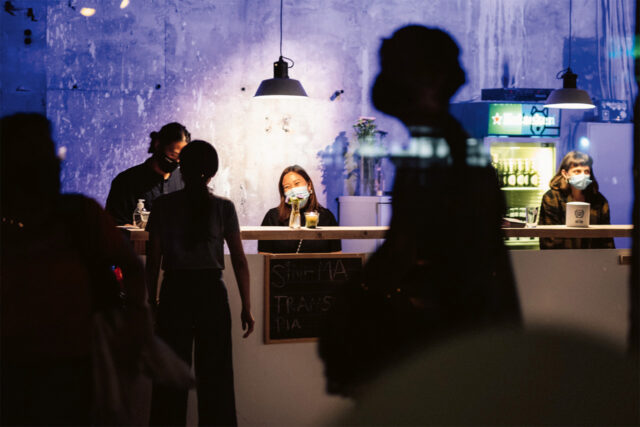
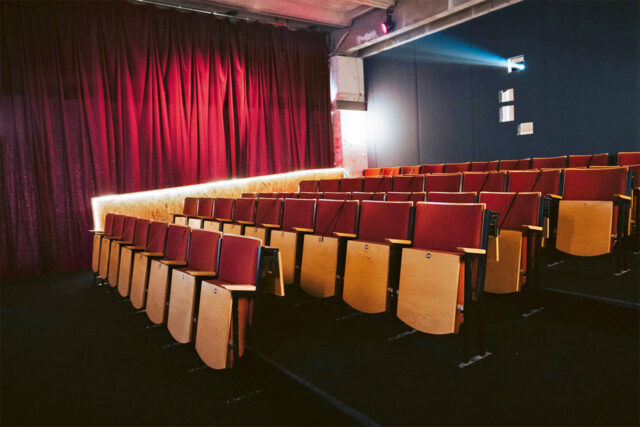
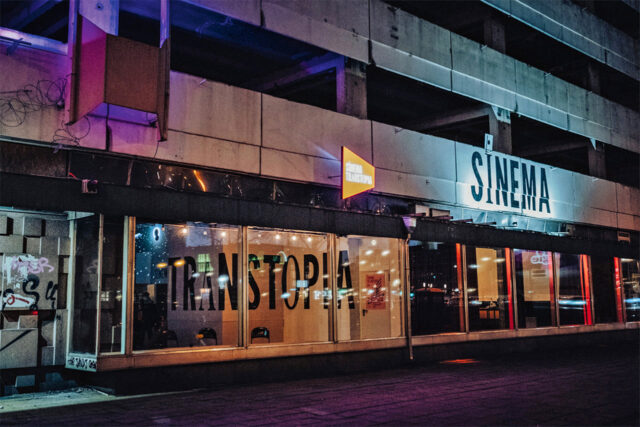
Sinema Transtopia, Haus der Statistik
Sinema Transtopia, Haus der Statistik
Sinema Transtopia, Haus der Statistik, 2021
Sinema Transtopia, Haus der Statistik, 2021
The Project Space Prize has not only saved many spaces and kept them alive for a longer period but basically generated a unique experimental and diverse art scene in Berlin. The Prize has also very much encouraged the founding of new spaces, fueled by the hope of receiving funding at some point. More than anything, it is an example of how much a certain public funding strategy can completely shape a local art scene.
An dieser Stelle muss betont werden, dass es auf diesem Gebiet noch viel zu entdecken gibt. Insbesondere in Bezug auf Künstler*innen und Kurator*innen, die nicht in Deutschland geboren sind und/oder die hiesige Sprache, Gewohnheiten und Bürokratie nicht gut beherrschen. Trotz der jüngst geschaffenen Fördermaßnahmen hat die überwiegende Mehrheit der Projekträume eine ungewisse Zukunft und ist weiterhin auf ehrenamtliche Arbeit und temporäre Räume angewiesen. Die Türen der Projekträume stehen für alle offen, der Eintritt ist frei und die geleistete Arbeit hat somit eine wichtige soziale Dimension. Das passt gut: Berlin war noch nie eine elitäre Stadt. Der Lockdown hat außerdem gezeigt, wie wichtig reale Begegnungen und der direkte Zugang zu den Werken sind. Für die Zukunft gilt es, die bestehenden Förderungen fortzusetzen und weiter zu verstärken, um eine größere Planungssicherheit zu gewährleisten und die oft unsichtbare, aber unverzichtbare ehrenamtliche Arbeit für die ordnungsgemäße Durchführung von Veranstaltungen auf ein Minimum zu reduzieren.
… Still nowadays, the more and more international “g-local” Berliner independent cultural scene has been able to grow, interconnect, and continue to establish strategies to be a political protagonist of this long debate, also representing an impressive cultural resource to profit from.