Auszeichnung
künstlerischer Projekträume
und -initiativen

DISPLAY

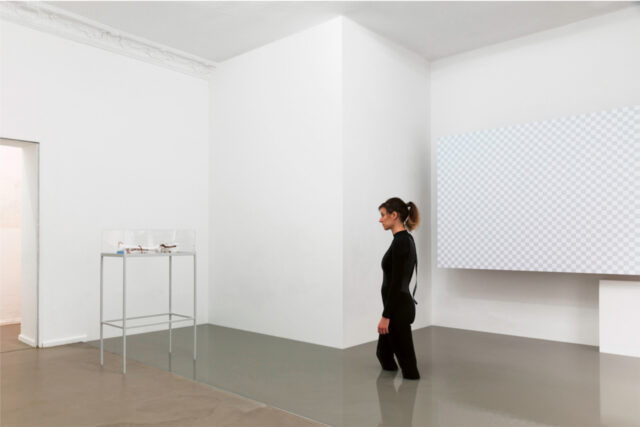
Soline Krug & Martin Remus, The Deepess Stage, 2018, Foto: Chroma
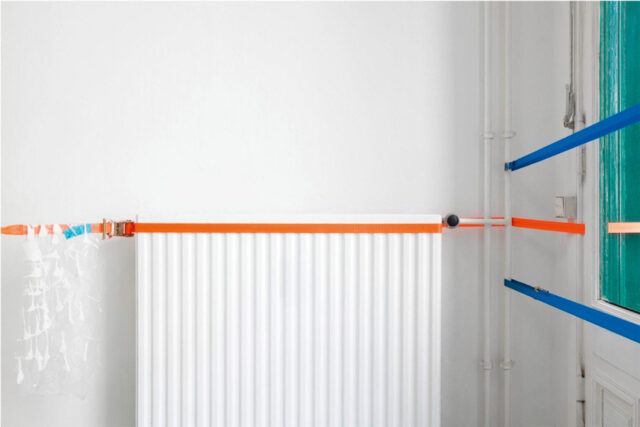
Manon Malan, 2019, Foto: Chroma

Auch wenn in den letzten Jahren die Selbstdarstellung in den so­zialen Medien als unerlässlich gilt, ist dies eine recht ambivalente Entwicklung. Das Bespielen von Blogs, Facebook, Twitter, Insta­gram und Mixcloud ist nicht nur enorm arbeitsintensiv, sondern fordert ein strategisch-kontinuierliches Vorgehen, das zusätzlich zur eigentlichen künstlerischen Arbeit geleistet werden muss. Sicherlich unterstützen die sozialen Medien die (nicht zuletzt internationale) Vernetzung der Künstler*innen untereinander und erlauben ein selbstbestimmtes Auftreten. Wirksamkeit (Likes) und Wirklichkeit (tatsächliche Besucher*innen) sind in der Regel aber nicht kongruent. Und der Wert künstlerischer Arbeit sollte sich nicht an ihrer Reichweite messen lassen müssen. Die Institutionalisierung von Fördermöglichkeiten bedeutet aber auch eine gewisse Form von Ausgrenzung. Nicht jede engagierte Person/Künstler*in ist in der Lage, die Formalitäten antragskonform zu erfüllen – und deswegen ja gewiss nicht weniger engagiert/künstlerisch aktiv. Für die Zukunft könnten vielleicht auch alternative Fördermodelle angedacht werden, die sich nach noch anderen/inklusiveren Kriterien bemessen als offiziel­ler Lebenslauf, Ausstellungs- und Preisauflistungen, „Namhaftigkeiten“.The engagement and support from the Network has been vitally important to our growth and sustainability, and also our learning and understanding of the ­wider Berlin art scene beyond our micro-communities. For one thing, we have learned so much about the plurality of spaces and creative ­discourses in Berlin. But the open discussion that the Network allows with the Berlin Senate and one another has been really important in order to understand our needs as unique nodes in the artistic landscape of Berlin, and creative mutual goals for the sustainability and vitality of the community as a whole.In the early years, we were not thinking so much about accessibility to our exhibitions and events in a physical sense of venues without elevators or events without translation, but also in a digital sense. For many years, our online magazine hadn’t been accessible for screen-readers for people with poor vision or the blind, or keyboard navigation for people with mobility issues, for example. Getting there was a journey, and I think we would now start from a more accessible place. I would want local politicians to make their funding applications more accessible, not only in terms of able-ism, but also in terms of all forms of discrimination, e.g. proof of citizenship, applications having to be written in German. I wish that they would give a universal basic income to everyone (not just citizens), open their borders, and make healthcare free, free for everyone.