Auszeichnung
künstlerischer Projekträume
und -initiativen
Auszeichnung
künstlerischer Projekträume
und -initiativen
Archiv
:
2023
,
2022
,
2021
,
2020
,
2019
,
2018
,
2017
,
2016
,
2015
,
2014
,
2013
,
2012
Events
Archiv
Information
Stipendien 2021
Stipendien 2022
Statements
Rückblick
Kontakt
Impressum
2017
,
Donau Ecke Ganghofer
2017
,
2011–2019
donaugang.wordpress.com
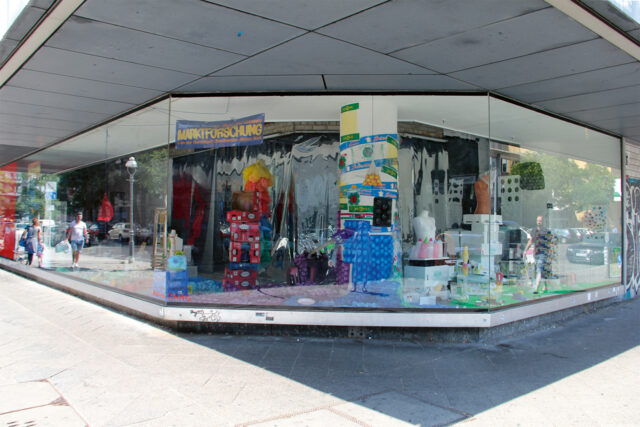
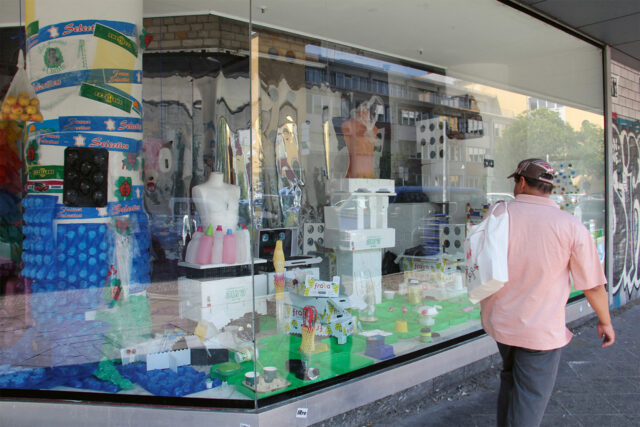
Foto: Stephanie Hanna, 2016
Foto: Stephanie Hanna, 2016
Delegate. Delegate. Delegate. It is absolutely necessary to delegate bureaucratic paperwork to those who are professionally trained in these tasks. Running a project space with all its paperwork baggage is taking a toll on creative output: it slows us down. However, we cannot get away from this bureaucratic burden since we lack the financial resources for professional assistance in these matters.
Wir sehen unseren Projektraum immer noch als selbstgewählte, professionell organisierte Alternative zu marktorientierten Galerien und staatlichen Kunstinstitutionen. Der Preis ist eine einmalige Chance, weil er unbürokratisch finanzielle als auch zeitliche Freiräume schafft. Wichtig dabei: keine Abrechnung notwendig! Berliner Politik muss endlich erkennen, dass die Szene eine große Anerkennung über die Stadt hinaus genießt und Motor für kulturelle Innovation ist, letztlich ein wichtiger Standortfaktor ist.
Es gibt keinen Prototypen, von dem aus verbindliche Aussagen gemacht werden können. Das zeigen auch immer wieder die Selbstverständnisdebatten. Die Projekträume haben sich mit der Stadt und ihrer Gentrifizierung geändert, aber ebenso mit dem Kunstsystem und der Kunst bzw. der künstlerischen Praxis in der Stadt. Die Szene ist konstant im Fluss. Manche Projekträume haben sich institutionalisiert, andere lehnen das kontinuierlich ab und befinden sich eher außerhalb des Radars. Ich sehe darin eine Stärke und würde nicht von einem „idealen Projektraum zur jeweiligen Zeit“ sprechen. So unterschiedlich die Räume physisch sind, so unterschiedlich ist teilweise die Art, wie sie gemacht werden, und an wen sie sich wenden.