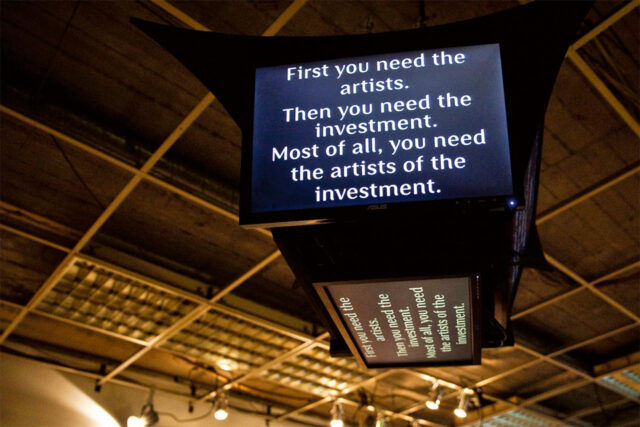
Auszeichnung
künstlerischer Projekträume
und -initiativen

NOrthEurope

(the same GLEICHSCHALTUNGSMATRIX formerly known as..) WestGermany Büro für postpostmoderne Kommunikation

Skalitzer Straße
133
Berlin

KNICK-KNACK TO THE FUTURE Concept Store Performance von copy & waste, 2015 Foto: Stephan Kallage
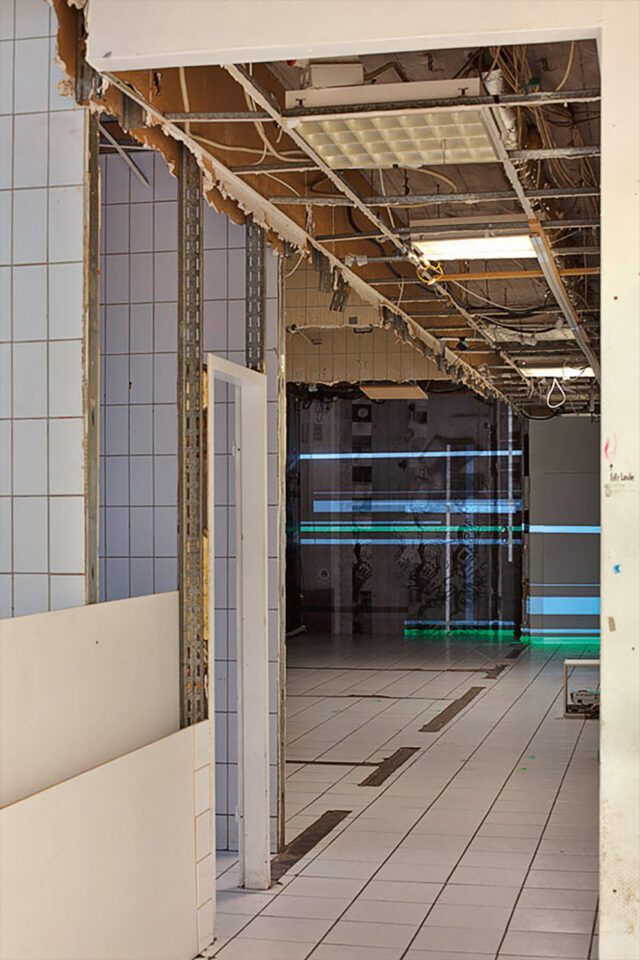
“White Wash”, mit Astrid Busch, Alexandra Schumacher, Kym Ward, 2014
Foto: Stephan Kallage
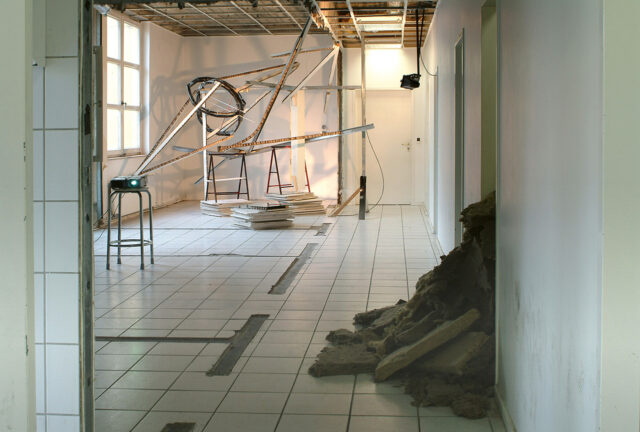
Foto: NOrthEurope/WestGermany,
Stephan Kallage
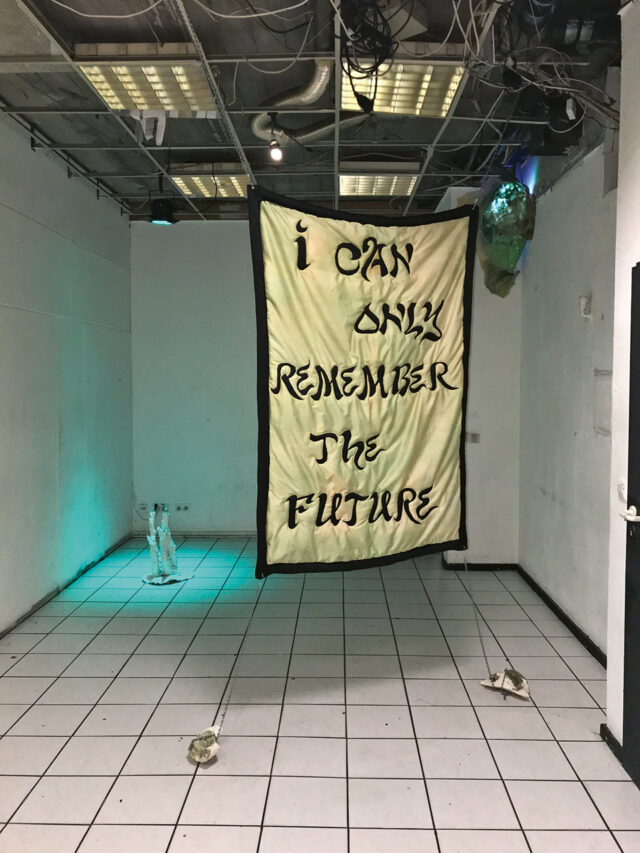
Foto: NOrthEurope/WestGermany,
Stephan Kallage

The art scene, spaces, artists, and initiators in the past ten years (being a continuum of what has gone before) in a nutshell, can be seen to have changed from individual authorships to more collective ones. They act in opposition to the anonymized corporate structures, in particular the giant housing conglomerates (these destructive collective edifices that have the same legal rights as a sentient individual human being) that threaten to dissemble the unique fabric of the city of Berlin that provided a fertile ground in which these initiatives could rise, connect, and thrive. So the project room scene provides a positive counter-weight to these destructive development processes as a living, breathing, collaborative, and inclusive network. I hope that this fabulous project room network does not drown in the indifference of mainstream political thinking in the city of Berlin.To run a space is a form of appreciation of other artists, it is an outcome of friendship and mutual understanding; it is an indication of trust between all involved. To run a space means to take responsibility. To run a space is not only self-organization – money may not be vital to put up a show – but it is for sure necessary to animate a space and keep it alive. The prize comes due to hard and merited work, but maybe a grant would be more befitting than a prize? Maybe an iron scaffold holding up a structure in advance is better suited than a gold star for accomplishments? To run a space is a full time job. A group of artists who share their enthusiasm, interests, time, and skills would impart a project with a larger circulation of assignments between the makers. I am convinced that the longevity and success of a space relies on a horizontally organized (net) work.For many decades Berlin has developed a lively, diverse, and independent way of producing culture and counteracting government decisions, based on, local, generous, and enthusiastic, but also worried, social communities that exchanged resources and ideas ­within a larger political debate. The city became a “natural” shelter and ­fertile environment for dissidents, artists, political refugees, and immigrants with any background also due to the need to overcome a traumatic past full of human generated atrocities that are still present in people memories and behaviour.