Auszeichnung
künstlerischer Projekträume
und -initiativen

Centrum

2009
Reuterstraße
7
Berlin
12053
Centrum ist ein Projektraum für zeitgenössische Kunst in Neukölln. In einem Laden-
geschäft und ehemaligen Bordell zu Hause ist der Ausstellungsraum kein reiner White Cube, sondern erhält seinen Charakter vor allem durch seinen gefliesten Boden und seine bodenlangen Fenster. Centrum bietet Möglichkeiten zum Diskurs über zeitgenössische Kunst sowie Gelegenheit zum Kennenlernen, Vernetzen und Experimentieren. Centrum wurde 2009 gegründet. Seitdem wird das Programm und der Schwerpunkt von einem wechselnden Team beeinflusst. Derzeit wird Centrum von Rachel Monosov & Jorgina Stamogianni ko-kuratiert.
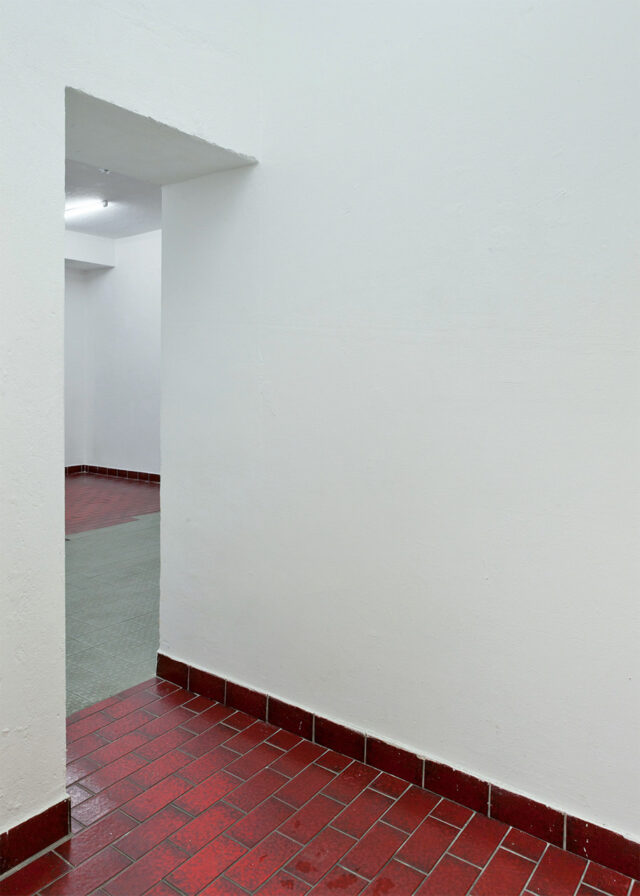
Centrum, Innenansicht, Foto: Ute Klein
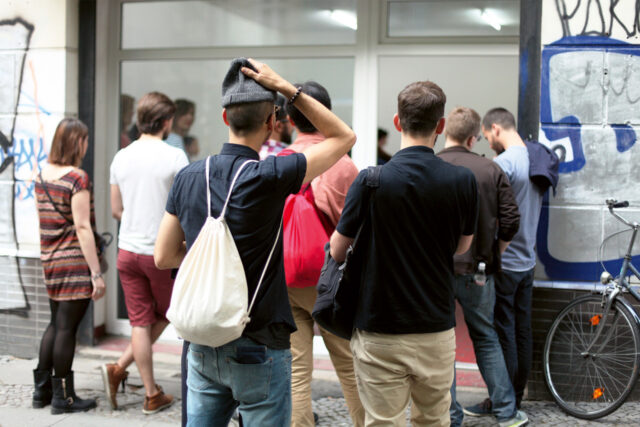
Emily Perry, Woman with Salad, Performance, 2016, Foto: Stefanie Dietzel & Alexander Gehlsdorf

Kunst kann Dialoge über gesellschaftliche Prozesse öffnen und vermitteln, sie kann Orte in der Stadt als Handlungs­orte definieren und zugänglich machen. Darin ist sie ein wichtiges Element gesellschaftlicher Partizipation und politischer Willensbildungsprozesse. Das zeigt sich auch in der Ausweitung eines der Kunst zugeordneten Felds auf fast alle gesellschaftliche Kontexte. Die Stärke der Kunst ist es, in verschiedenen Räumen lebendig und er­­fahrbar zu werden. Somit bietet sie eine Schnittstelle für unterschiedliche Perspektiven und einen lebendigen Austausch.Kunst ist ein dialogischer Prozess, der zwischen Kunstschaffenden und Rezipient*innen entsteht. Ihn lebendig zu halten, offen für Fragen, Irritationen und Handlungsmöglichkeiten. Sowie auto­nom arbeitenden Künstler*innen einen Raum zu geben, das sehen wir als unsere Aufgabe an.The commercialization of the contemporary art scene in the last decade has created alienation and dissociation from the audience. The social filters at the established exhibition spaces, the sterilization of methods of presentation, and over-professionalism have created an image and perception of inaccessibility. In that respect, project spaces and art initiatives that resist these dynamics and strive for keeping direct social contact maintain the political potential of artistic practice. We don’t promote the conventional star system in selecting the artists we are collaborating with; we don’t pursue a hierarchical method by employing an omnipotent curator; we value the critical content and formal experimentalism of the artworks rather than the conditions of their presentation, and we don’t sell any artworks in our space; we don’t invest our energy in commercial speculation. We put an emphasis on the collective and on the social. We keep contact with our immediate neighborhood (in Neukölln), and we prioritize the knowledge about and the cultural accumulation of a particular geography. Hence, we engage in a counter-position against the dominant dynamics that have shaped the field of the contemporary art scene in the last decade. The pandemic condition has also been a drastic element that forced actors in the field to reconsider methods of presentation and social contact.