Auszeichnung
künstlerischer Projekträume
und -initiativen
Auszeichnung
künstlerischer Projekträume
und -initiativen
Archiv
:
2023
,
2022
,
2021
,
2020
,
2019
,
2018
,
2017
,
2016
,
2015
,
2014
,
2013
,
2012
Archive
Information
Scholarships
Statements
Review
Contact
Imprint
2020
,
DISPLAY
2020
,
2018
,
2015
Initiative
display-berlin.com
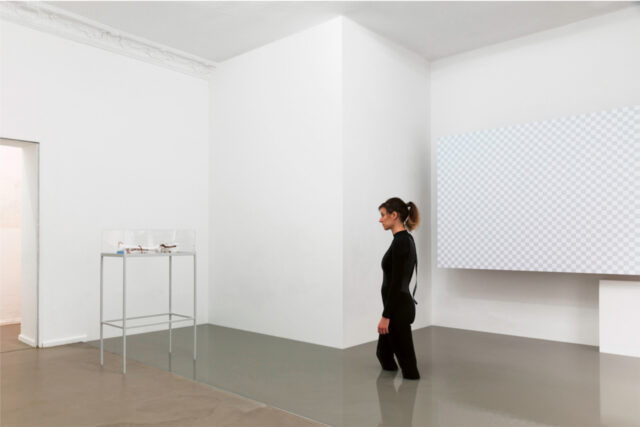
Soline Krug & Martin Remus, The Deepess Stage, 2018, Foto: Chroma
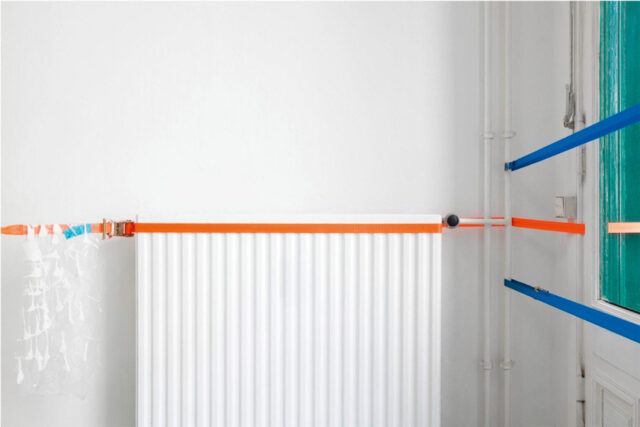
Manon Malan, 2019, Foto: Chroma
The pandemic gave us a pause and became a forced hiatus. For us, it didn’t make sense to organize events or to move into the digital space during the last year. A willingness to think outside the box, to implement short-term funding, and to listen to the needs of the community. Not everyone requires long term investments; others would like to apply for EUR 500 to develop a project for next month. These quick, low-cost funding opportunities are not clearly available yet. When implementing initiatives, first think about the places and the people you are trying to serve. Requiring project spaces to have a program mapped out six months in advance, or ask for only German-language applications is not responding to the community.
The art scene, spaces, artists, and initiators in the past ten years (being a continuum of what has gone before) in a nutshell, can be seen to have changed from individual authorships to more collective ones. They act in opposition to the anonymized corporate structures, in particular the giant housing conglomerates (these destructive collective edifices that have the same legal rights as a sentient individual human being) that threaten to dissemble the unique fabric of the city of Berlin that provided a fertile ground in which these initiatives could rise, connect, and thrive. So the project room scene provides a positive counter-weight to these destructive development processes as a living, breathing, collaborative, and inclusive network. I hope that this fabulous project room network does not drown in the indifference of mainstream political thinking in the city of Berlin.
Die unweigerlich fortschreitende Gentrifizierung schränkt die künstlerischen Freiräume weiter ein. Dank des Engagements des Netzwerks freier Berliner Projekträume und -initiativen wurde die Szene jedoch zum Politikum, erreichte eine breitere Öffentlichkeit und erfuhr zudem durch neu eingerichtete Fördermöglichkeiten eine wirtschaftliche Stärkung. Die Vernetzung führte neben dem inhaltlichen Austausch zu verschiedensten Kooperationen und insbesondere zu einem solidarischen Kollektivbewusstsein. Insofern ist die Szene ähnlich vital wie in den 1990er-Jahren, zwar nicht mehr so spontan und verrückt, aber dafür um einiges professioneller. Das Selbstverständnis der freien Projekträume wandelte sich tendenziell von der Eventkultur des Nachwendeberlins zu einem diskursorientierten Ansatz in institutionsähnlichen Strukturen. Abgesehen davon, dass die meisten Projektraumbetreiber*innen selbst Künstler*innen sind, wurde die Zusammenarbeit von Organisator*innen und rein kreativ Schaffenden verbindlicher und seriöser. Wichtig ist hierbei auch die obligatorische Auszahlung von Ausstellungshonoraren als wirtschaftliche Anerkennung für künstlerische Leistungen. Die Veränderung der Strukturen erfolgte fließend.