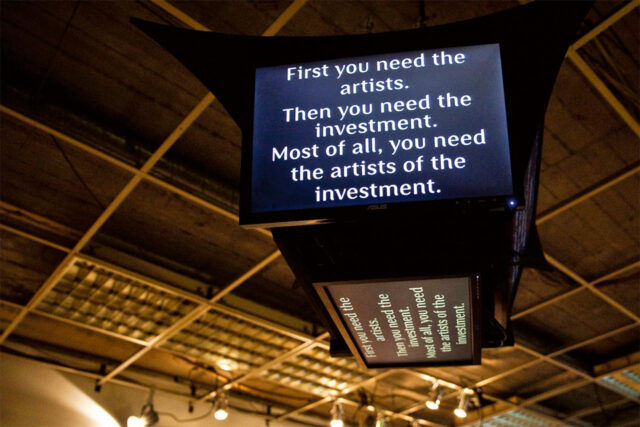
Auszeichnung
künstlerischer Projekträume
und -initiativen

NOrthEurope

(the same GLEICHSCHALTUNGSMATRIX formerly known as..) WestGermany Büro für postpostmoderne Kommunikation

Skalitzer Straße
133
Berlin

KNICK-KNACK TO THE FUTURE Concept Store Performance von copy & waste, 2015 Foto: Stephan Kallage
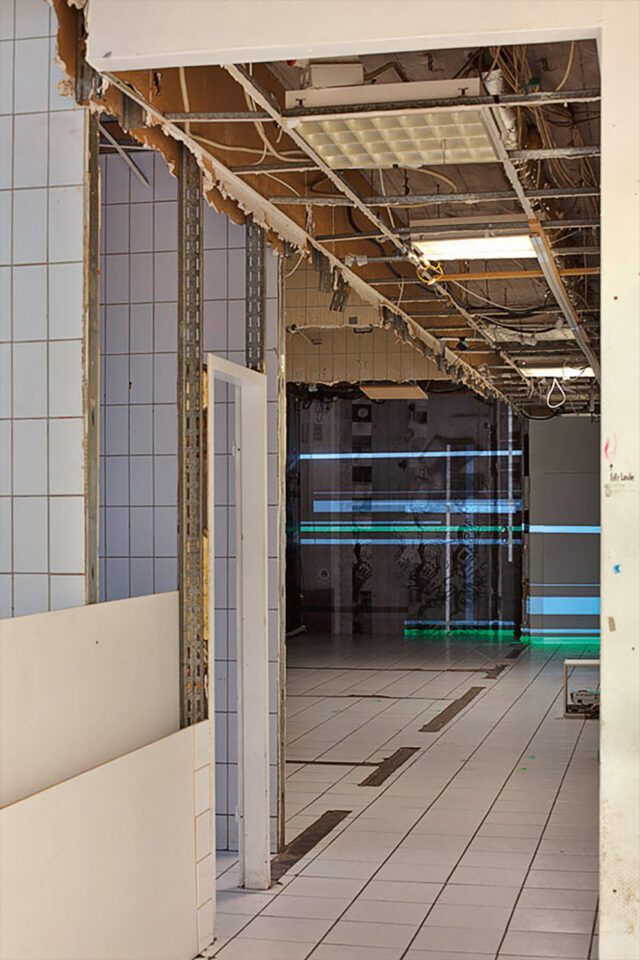
“White Wash”, mit Astrid Busch, Alexandra Schumacher, Kym Ward, 2014
Foto: Stephan Kallage
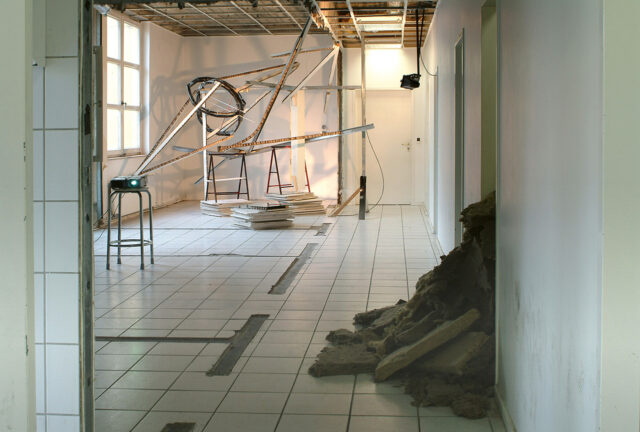
Foto: NOrthEurope/WestGermany,
Stephan Kallage
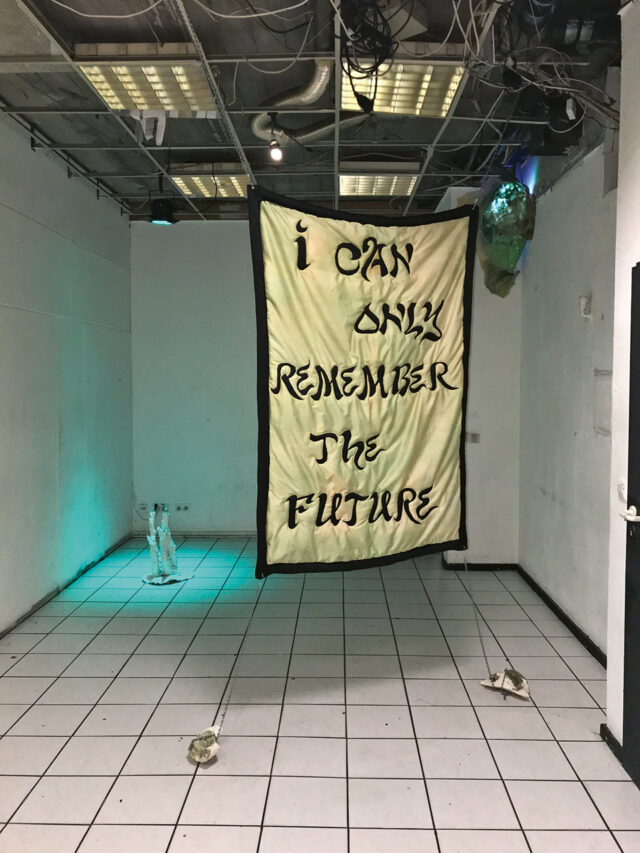
Foto: NOrthEurope/WestGermany,
Stephan Kallage

The art scene, spaces, artists, and initiators in the past ten years (being a continuum of what has gone before) in a nutshell, can be seen to have changed from individual authorships to more collective ones. They act in opposition to the anonymized corporate structures, in particular the giant housing conglomerates (these destructive collective edifices that have the same legal rights as a sentient individual human being) that threaten to dissemble the unique fabric of the city of Berlin that provided a fertile ground in which these initiatives could rise, connect, and thrive. So the project room scene provides a positive counter-weight to these destructive development processes as a living, breathing, collaborative, and inclusive network. I hope that this fabulous project room network does not drown in the indifference of mainstream political thinking in the city of Berlin.The word “project space” is almost misleading to me. Projects do not have to take place in spaces. Radio shows, Instagram takeovers, and outdoor screenings are also projects. To focus on the aspect of space itself is to take a narrow view of what could – and is – happening in Berlin at the moment. The ideal project space would come with a budget for production and overhead costs. Ideally, also the curators ought to get paid.Answering this question seems to be the most difficult and an endless process for me because I have to ruminate on the past decade or so in which I have gone through Berlin as a female artist, a Korean artist, the founder and chief of an Asian contemporary art platform, and a mother. Since the very beginning, I have been interested in seeking a kind of universal identity, spanning the various backgrounds of ­Berlin-based contemporary artists in order to examine the question of identity as it is often perceived from the outside: according to gender, nationality, and cultural milieu. So I have created a space where the dichotomous logics about those issues could be discussed, proceeding with many projects. Above all, I had dreamt of creating a self-supporting space, based on an independent profit model. Recognizing limitations in workforce, culture, and the market of the art scene, however, I have experienced some moments of great suffering. But what has ­enabled me to endure those moments of suffering was not money but people, so that I would answer sincerely that a project space no longer means a physical space for me. It is a non-physical space, comprising people like artists, users and agents, or sometimes a network.